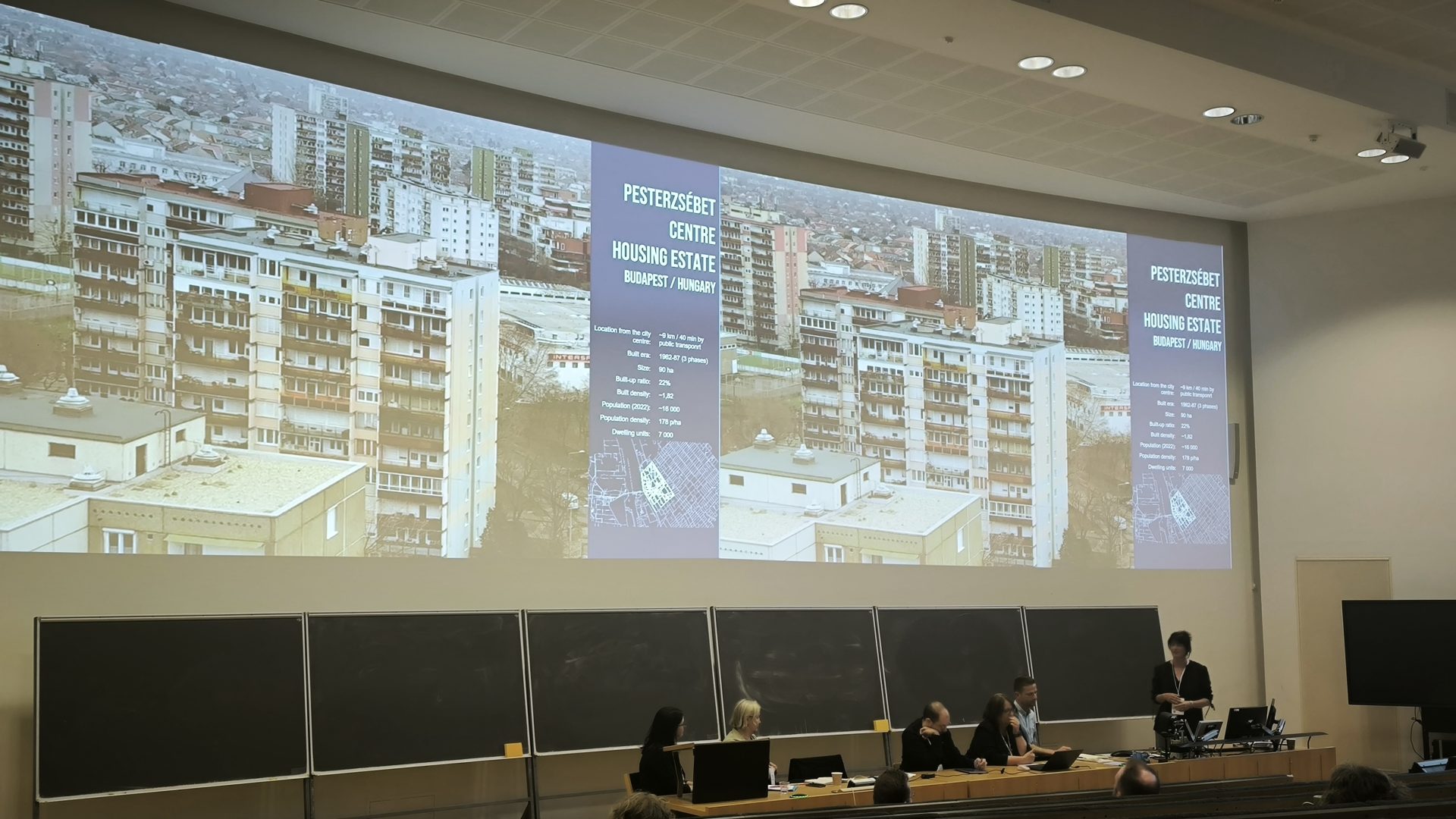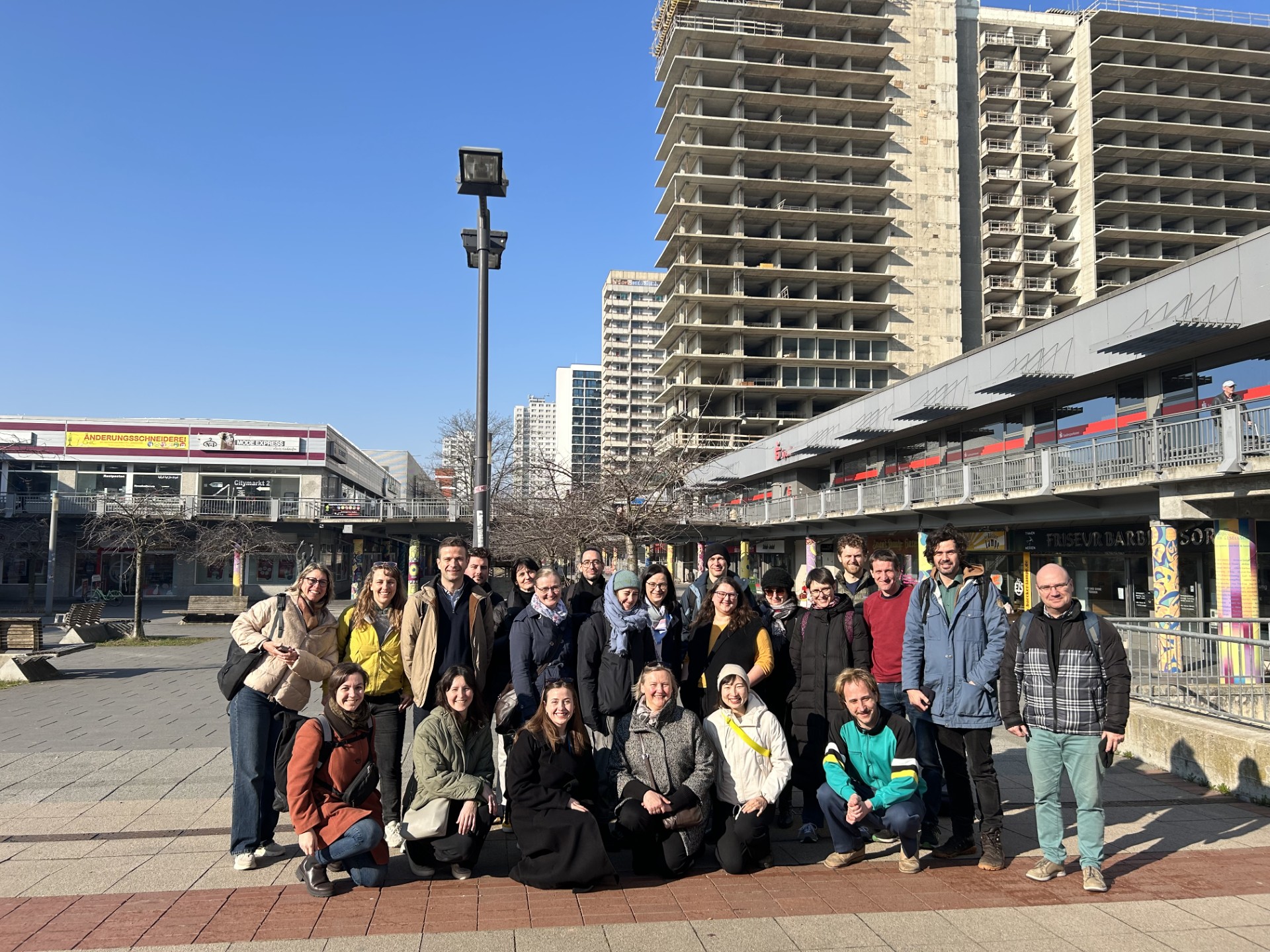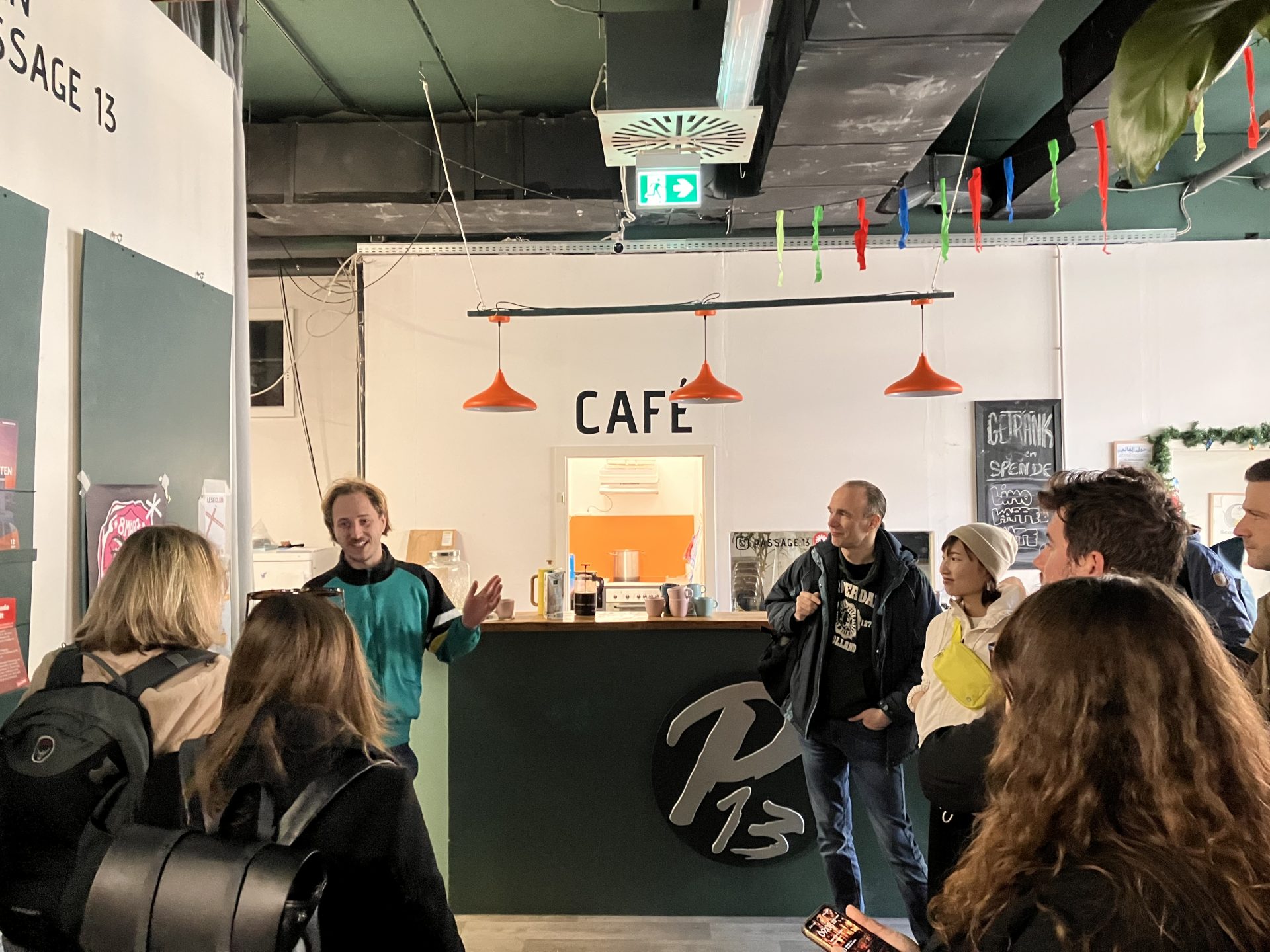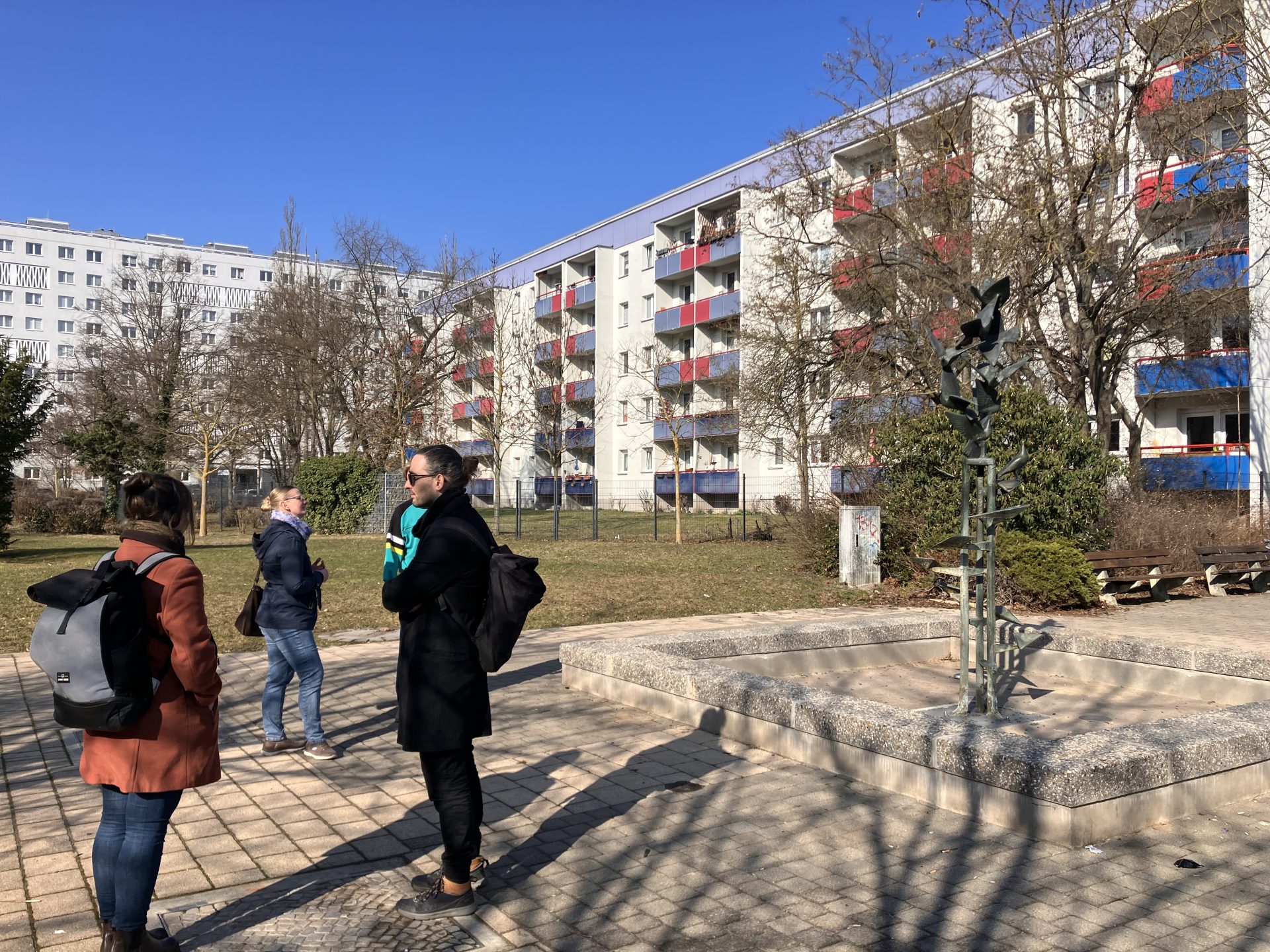
On 2 July 2026, the 15minESTATES project organised the roundtable discussion “Transformation of Public Space in European Large Housing Estates – Dealing with Planning Challenges” as part of the World Planning Schools Congress in Helsinki.
The roundtable explored the planning paradigms shaping large housing estates (LHEs) across Europe in the context of the ongoing sustainability transition. Particular attention was given to the role of public space in supporting proximity, active mobility, and reduced car dependency—key principles underpinning the 15-minute city concept.
Large housing estates have followed diverse development trajectories across Europe and today operate within different planning, governance, and socio-economic contexts. These varying conditions influence both the opportunities and the challenges that LHEs face in contributing to sustainable urban transformation. Building on the collaborative work of the 15minESTATES project, which aims to adapt and operationalise the 15-minute city concept for large housing estates, the roundtable brought together researchers and practitioners from across Europe to exchange experiences, discuss context-specific planning challenges, and identify future directions for research and practice.
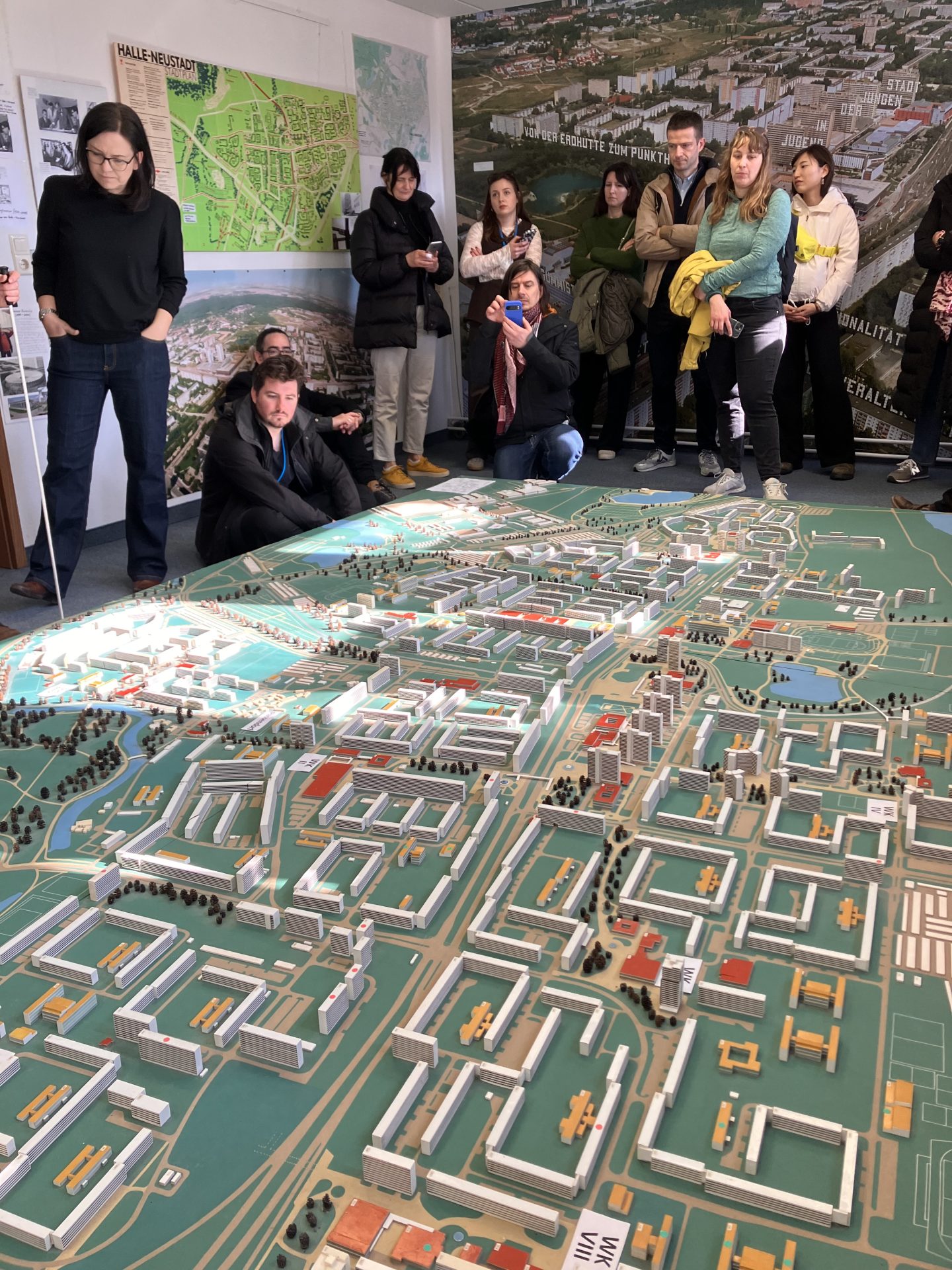
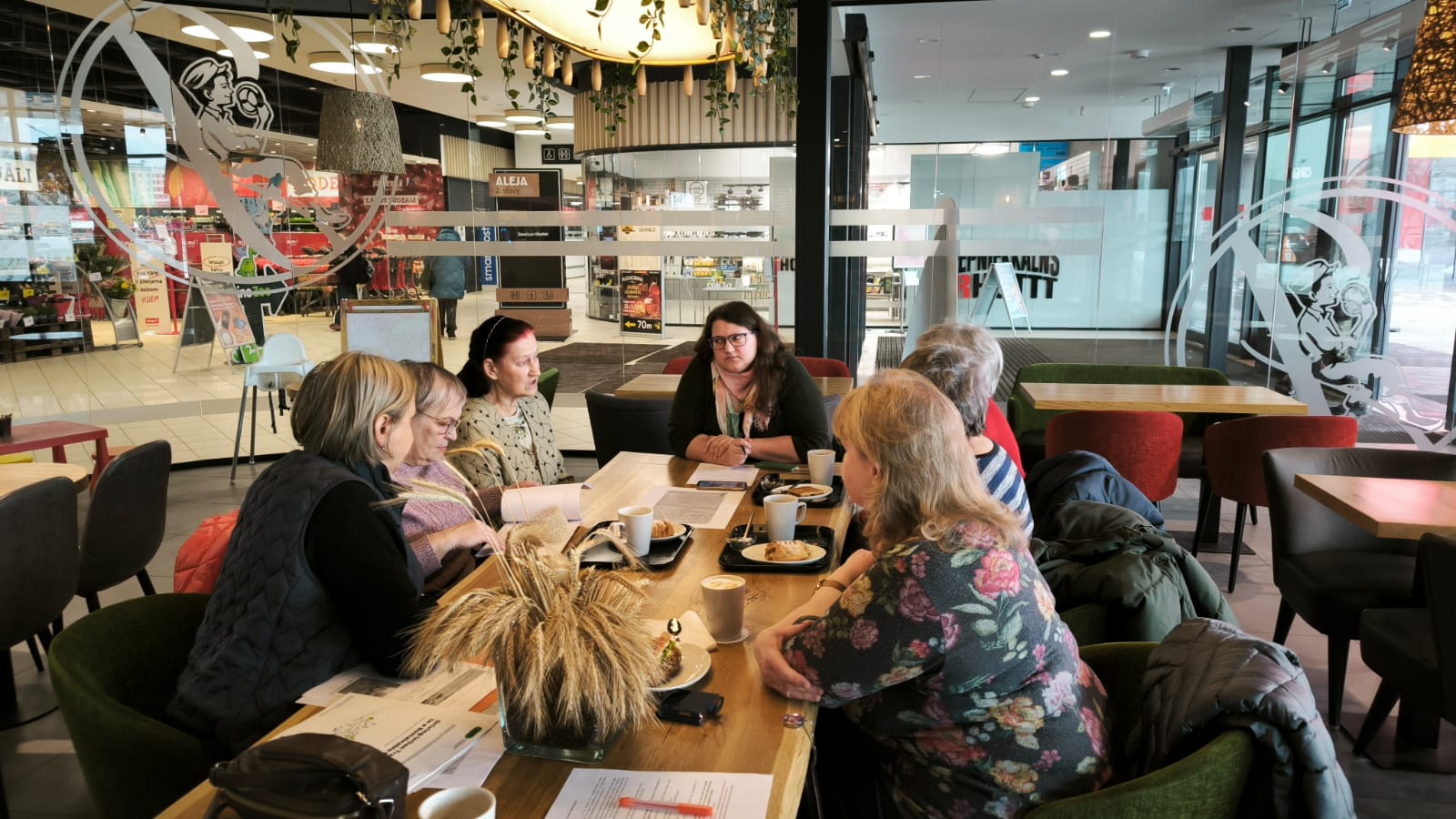
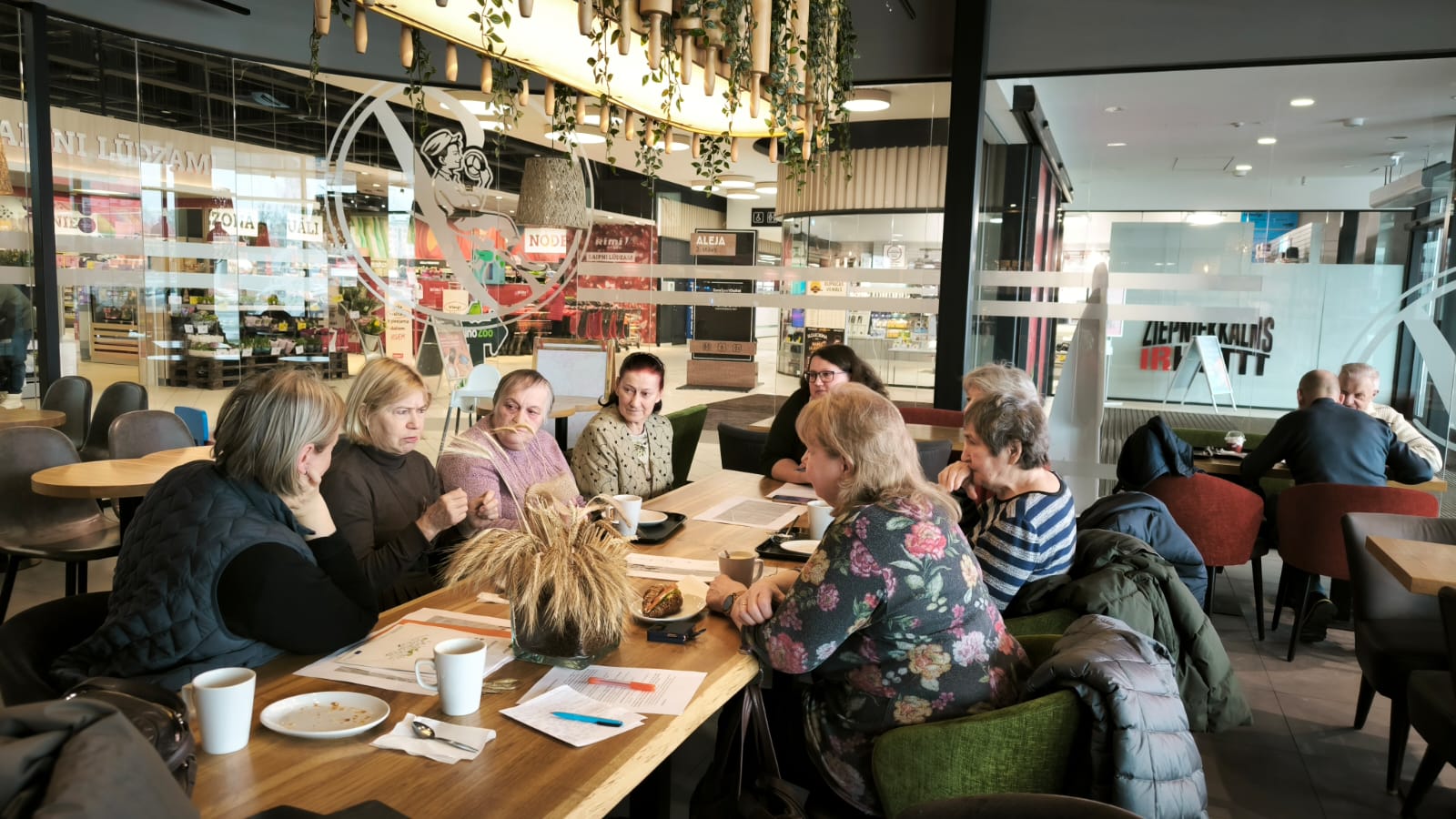
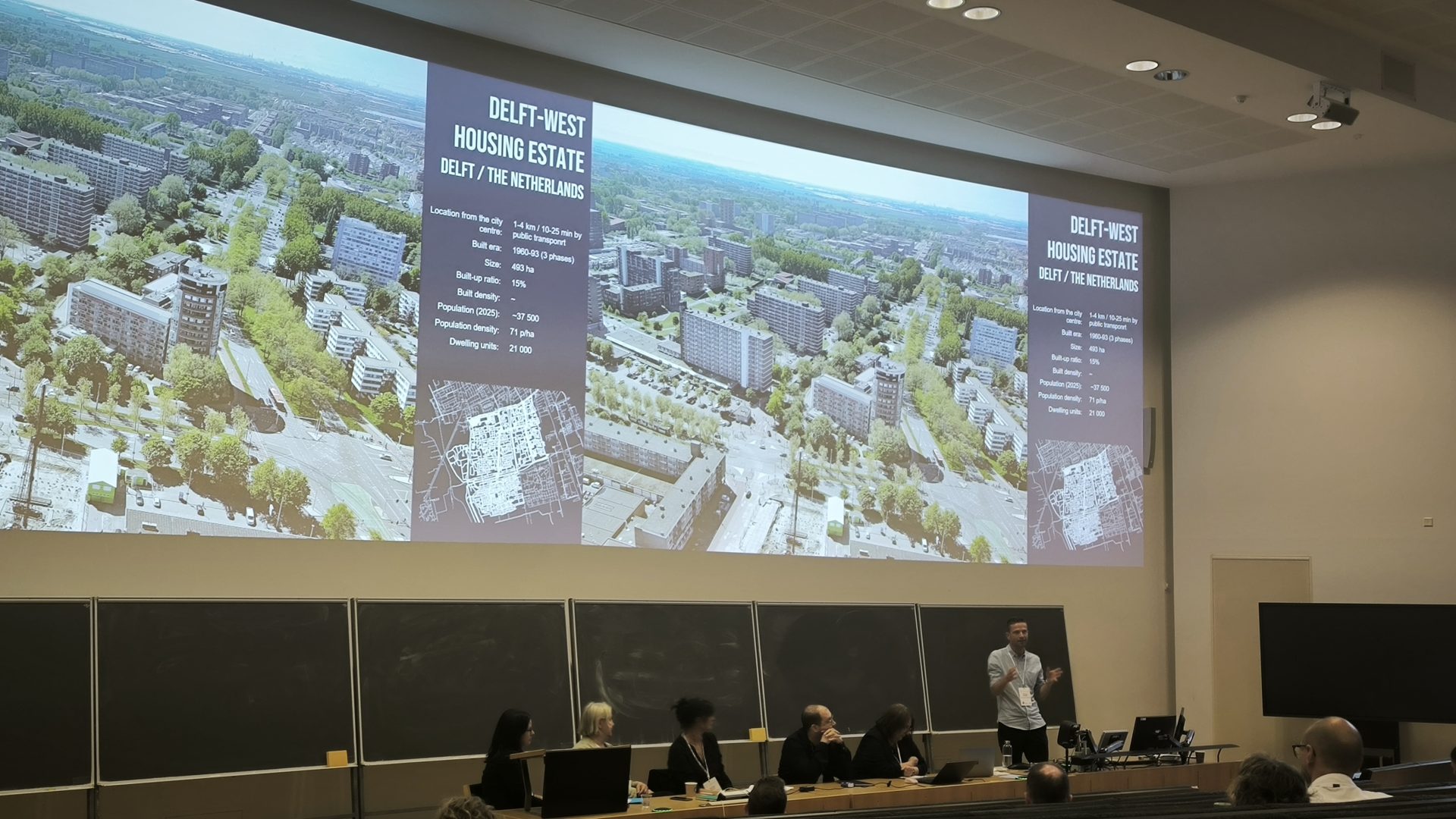
The invited speakers presented case studies illustrating the diversity of planning contexts and transformation processes across Europe. Stefanie Rößler (IOER) examined the implications of population decline for large housing estates in Halle. Melinda Benkő (BME) discussed the relationship between public and private spaces in Budapest, while Milena Tasheva-Petrova (UACEG) addressed the challenge of shrinking public spaces in Sofia. Sandra Treija (RTU) reflected on the limited steering capacity affecting the transformation of large housing estates in Riga, and Thomas Verbeek (TU Delft) explored the impacts of demographic change and increasing hyperdiversity in Delft. Concluding the session, Florian Faurisson (EGIS) presented examples from France, highlighting strategies and practical approaches that can support the sustainable transformation of large housing estates.
The discussion demonstrated that, while large housing estates face different challenges across Europe, they also share common opportunities to become more resilient, accessible, and liveable neighbourhoods. The exchange of experiences reinforced the importance of international collaboration in developing planning approaches that respond to local contexts while advancing broader sustainability goals.