As we look back on the second year of our project, we would like to extend our sincere thanks to each and every one of our partners, friends and supporters for your dedication, collaboration, and inspiration. Your commitment to advancing more inclusive, accessible, and sustainable cities continues to drive the project forward and strengthens our shared vision of improving quality of life for all.
As we enter 2026, we begin the final – and perhaps most exciting – year of the 15minESTATES project. We look ahead with great enthusiasm and confidence, and we wish all of us continued success, meaningful collaboration, and a productive year ahead.
Season’s greetings, and our very best wishes for a successful and inspiring 2026!
Share on social media
Read also
Explore more on this topic with our related posts, offering deeper insights and fresh perspectives to enhance your understanding. Stay engaged with content tailored to your interests.
On 2 July 2026, the 15minESTATES project organised the roundtable discussion “Transformation of Public Space in European Large Housing Estates – Dealing with Planning Challenges” as part of the World Planning Schools Congress in Helsinki.
The roundtable explored the planning paradigms shaping large housing estates (LHEs) across Europe in the context of the ongoing sustainability transition. Particular attention was given to the role of public space in supporting proximity, active mobility, and reduced car dependency—key principles underpinning the 15-minute city concept.
Large housing estates have followed diverse development trajectories across Europe and today operate within different planning, governance, and socio-economic contexts. These varying conditions influence both the opportunities and the challenges that LHEs face in contributing to sustainable urban transformation. Building on the collaborative work of the 15minESTATES project, which aims to adapt and operationalise the 15-minute city concept for large housing estates, the roundtable brought together researchers and practitioners from across Europe to exchange experiences, discuss context-specific planning challenges, and identify future directions for research and practice.
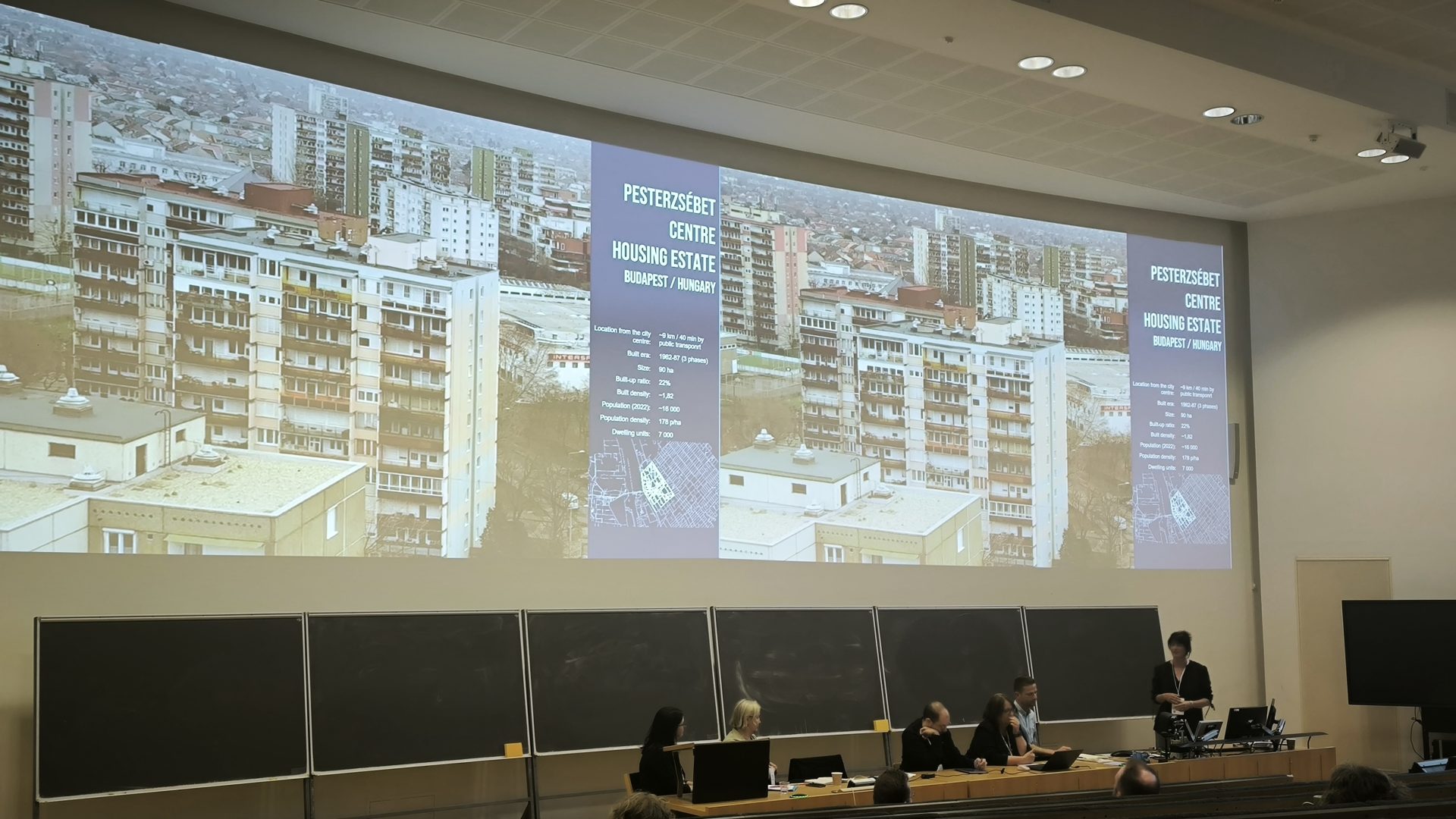
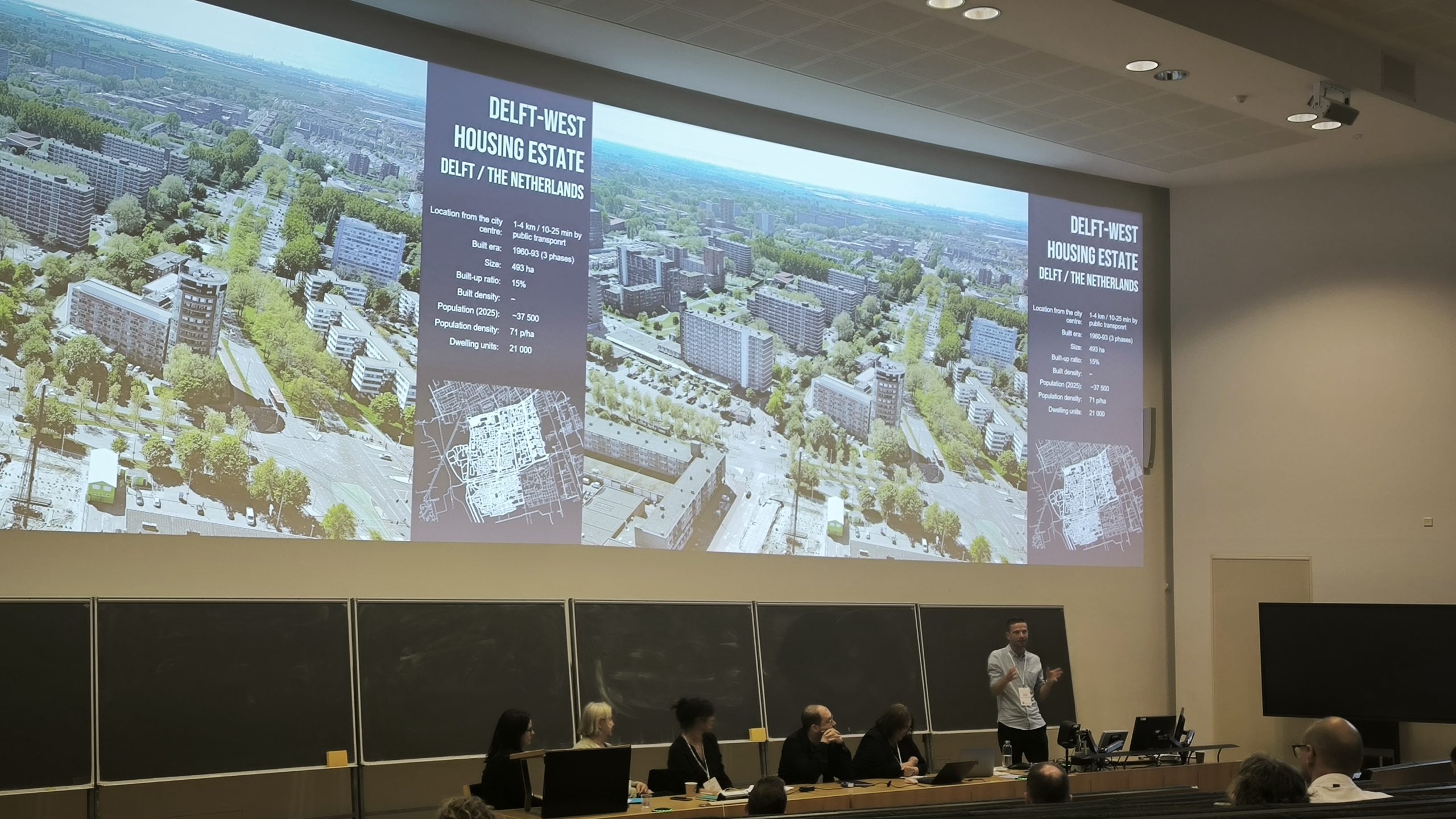
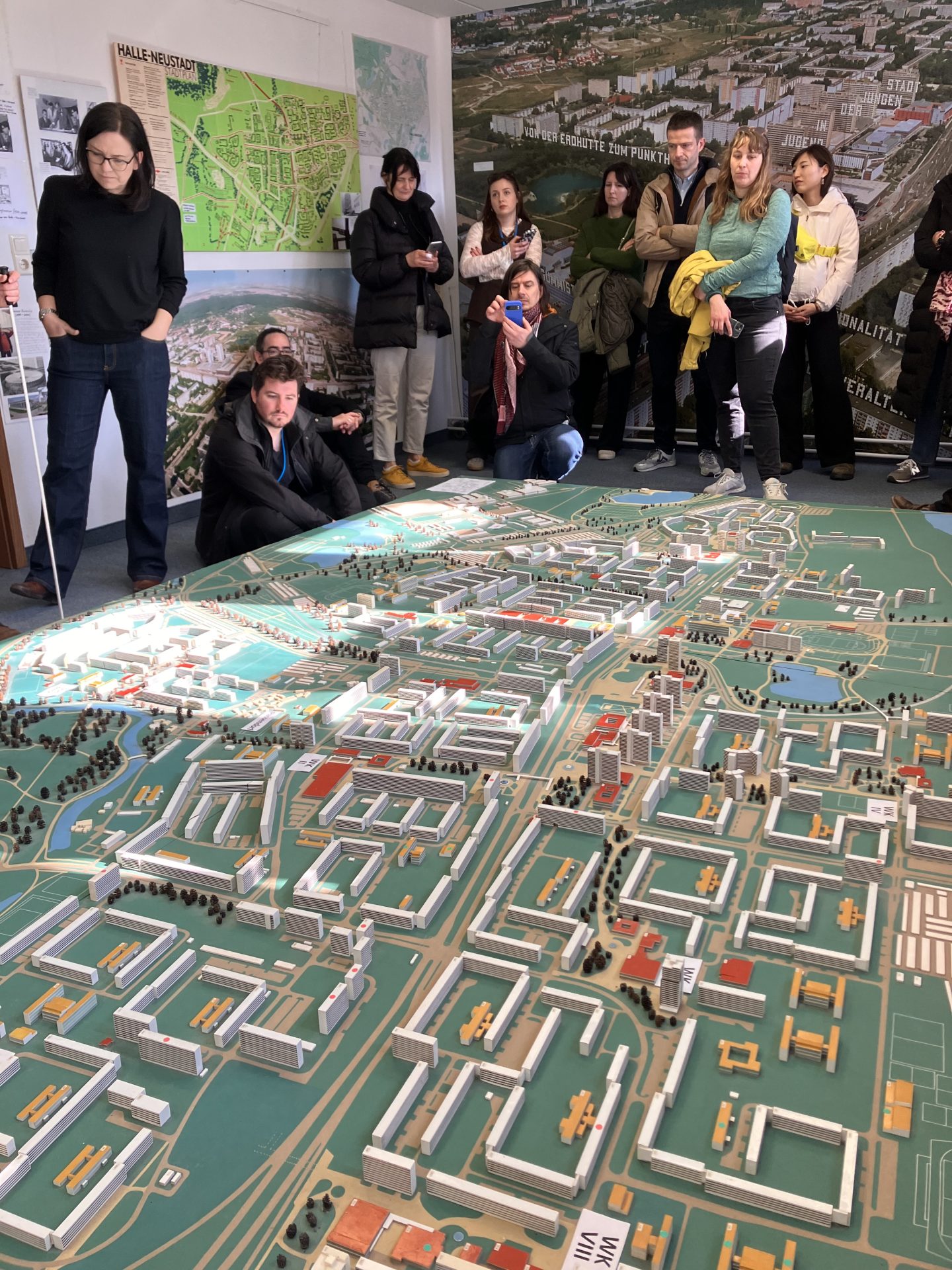
The invited speakers presented case studies illustrating the diversity of planning contexts and transformation processes across Europe. Stefanie Rößler (IOER) examined the implications of population decline for large housing estates in Halle. Melinda Benkő (BME) discussed the relationship between public and private spaces in Budapest, while Milena Tasheva-Petrova (UACEG) addressed the challenge of shrinking public spaces in Sofia. Sandra Treija (RTU) reflected on the limited steering capacity affecting the transformation of large housing estates in Riga, and Thomas Verbeek (TU Delft) explored the impacts of demographic change and increasing hyperdiversity in Delft. Concluding the session, Florian Faurisson (EGIS) presented examples from France, highlighting strategies and practical approaches that can support the sustainable transformation of large housing estates.
The discussion demonstrated that, while large housing estates face different challenges across Europe, they also share common opportunities to become more resilient, accessible, and liveable neighbourhoods. The exchange of experiences reinforced the importance of international collaboration in developing planning approaches that respond to local contexts while advancing broader sustainability goals.
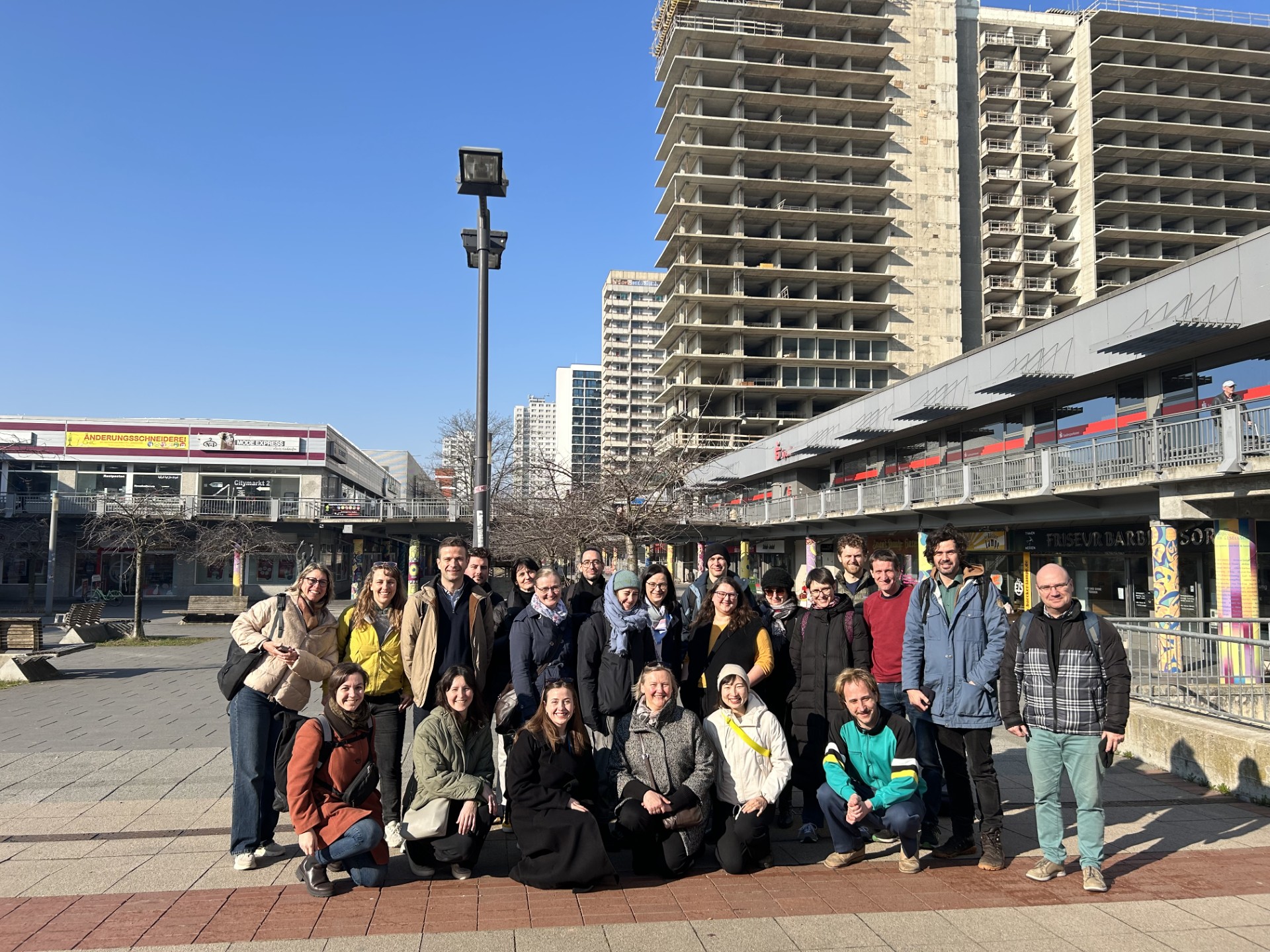
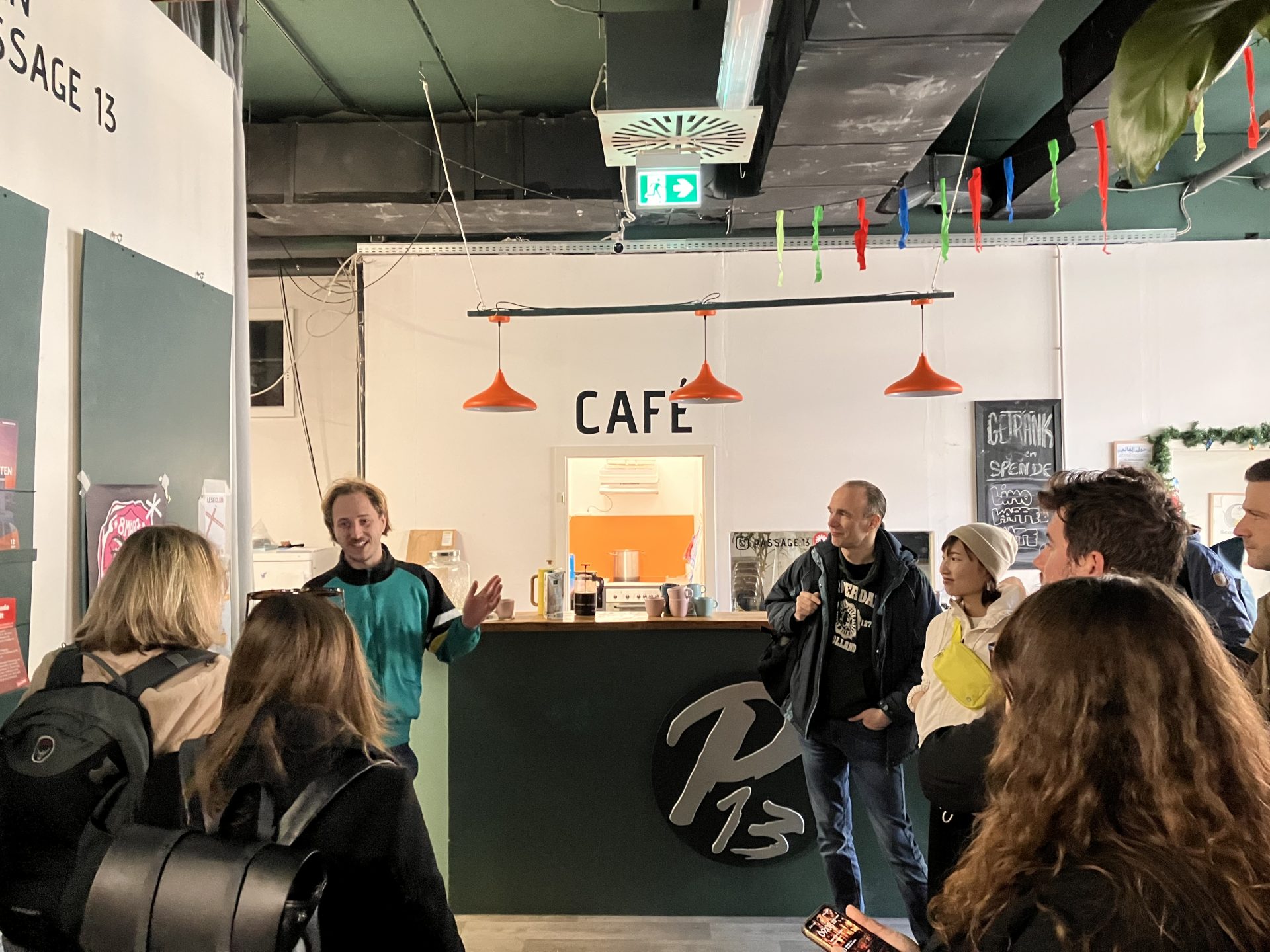
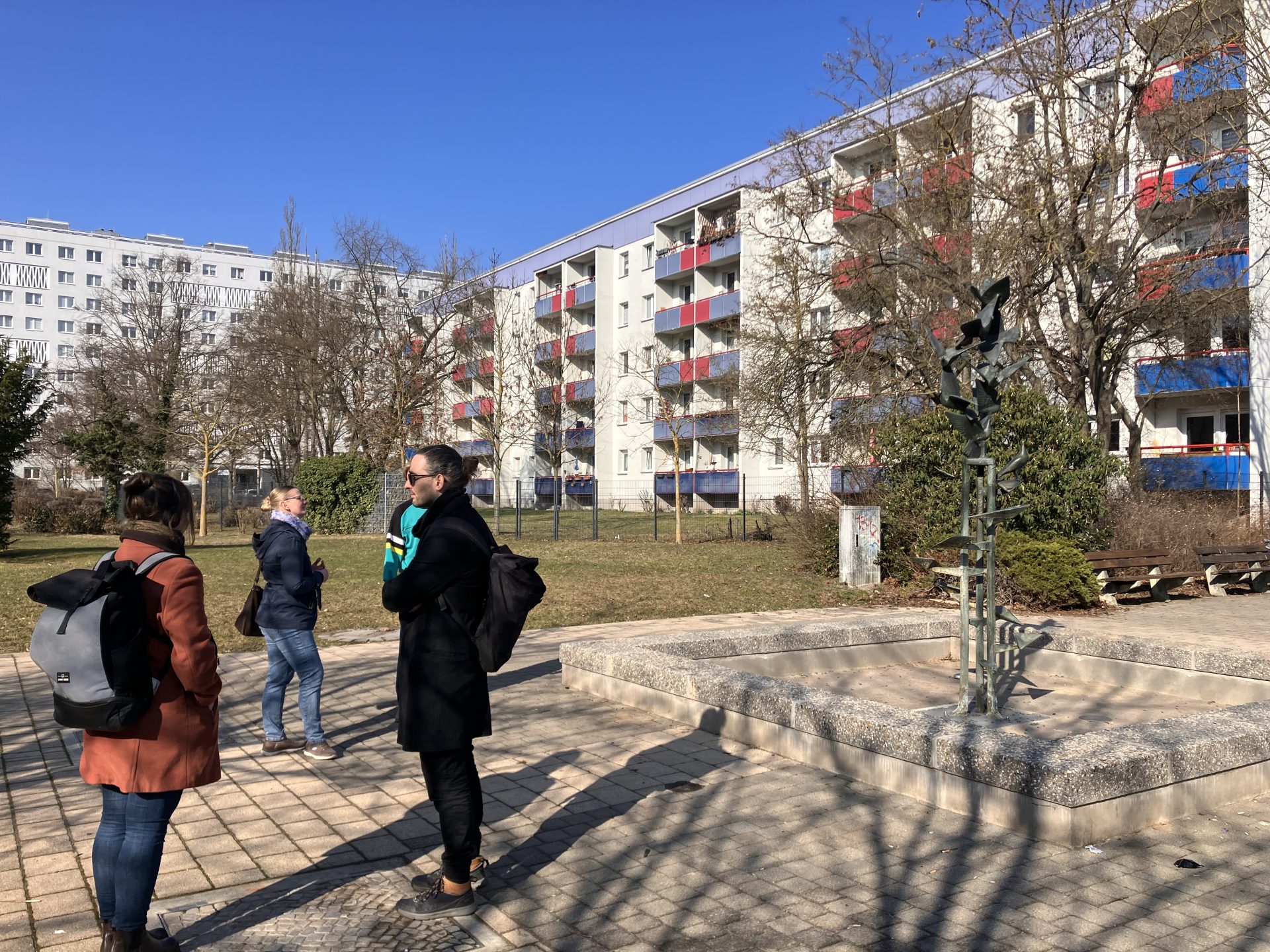
From March 4–6, the 15minESTATES partners met for the third Consortium Meeting. This year, we’re excited to be hosted by the City of Halle and our German partners Leibniz Institute of Ecological Urban and Regional Development (IOER).
As we enter the final year of the project, our main focus is bringing together the insights and conclusions from the data-gathering phase across all case study areas. Over these three days, our international teams will collaborate closely to shape universal pathways for creating 15-minute large housing estates — making neighborhoods more connected, accessible, and livable for everyone.
The consortium meeting in Halle focused on the expected results of the project and in-depth discussions on how to effectively transfer the information and knowledge gained during the project to decision-makers, urban planners, and a wider circle of professionals. Particular attention was given to identifying practical communication strategies and tools that would ensure long-term impact beyond the project’s duration. Both the project survey, which was conducted in five European cities – Halle, Delft, Riga, Sofia and Budapest – and many other project activities, such as focus group interviews, go-along interviews, and participatory observations, confirmed the great potential of residential areas to evolve into more sustainable, people-friendly environments.
At the same time, the findings highlighted several persistent challenges. Both physical infrastructure constraints and residents’ established habits, alongside social, economic, and planning-related factors, continue to hinder the broader implementation of active mobility principles in large-scale residential areas. These insights provided a valuable basis for discussions among consortium partners about possible interventions and policy recommendations.
The meeting also addressed the third series of workshops planned across all case study cities, with a focus on delivering research feedback to diverse stakeholder groups, including local authorities, community organizations, and residents. Emphasis was placed on ensuring that this feedback is accessible, actionable, and tailored to the needs of each group. Additionally, getting acquainted with the work and intentions of the New Halle non-governmental organization – particularly its efforts in engaging residents and promoting active mobility approaches – sparked meaningful discussions on the role of various stakeholders. These exchanges underscored the importance of collaboration, co-creation, and shared responsibility in successfully implementing common sustainability goals at the neighborhood level.
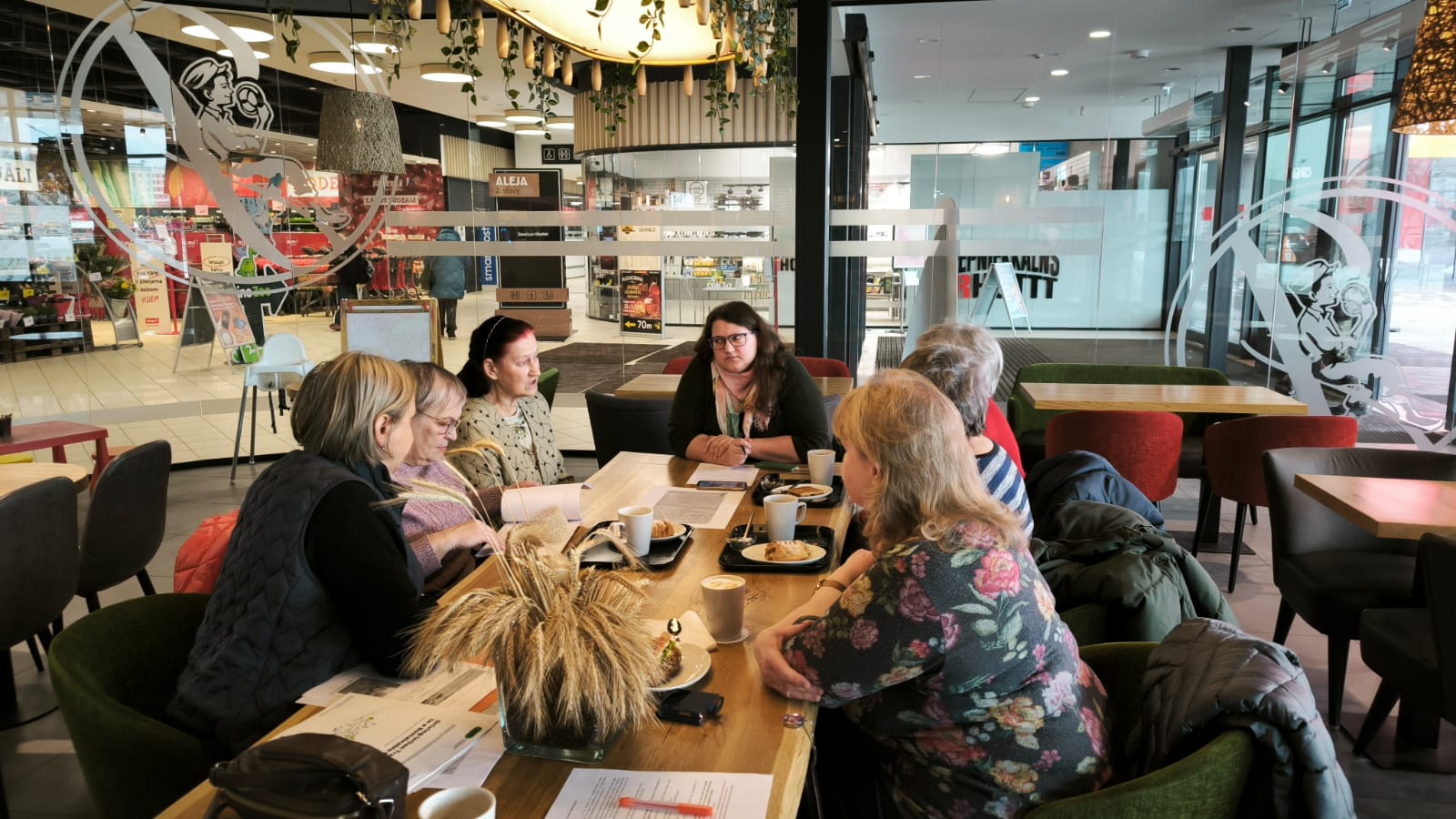
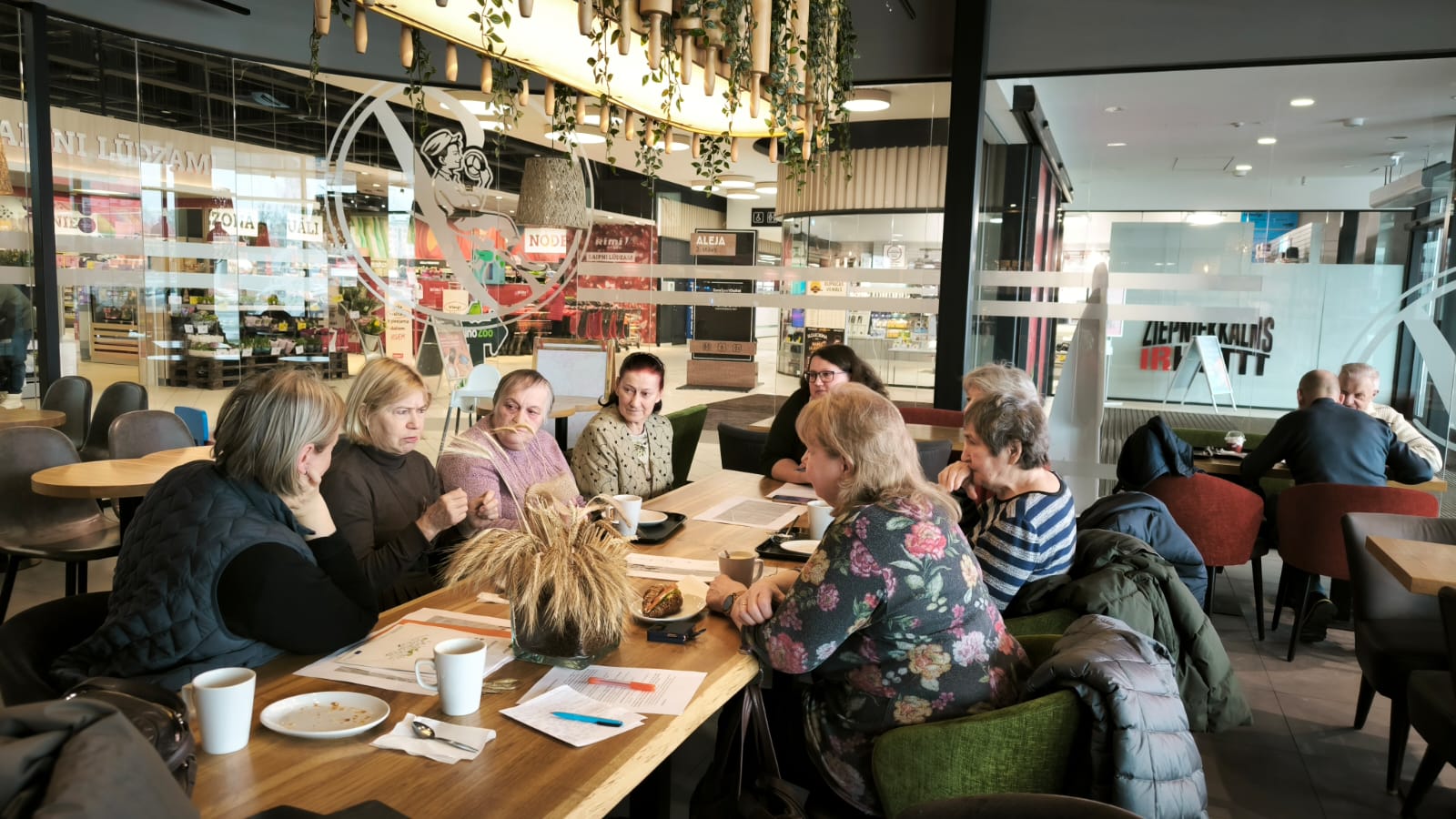
As a part of the ongoing collection of qualitative data on large-scale housing estates, Riga team organized a focus group discussion with senior residents living in Ziepniekkalns.
The focus group highlighted Ziepniekkalns as a neighborhood that remains highly walkable for daily needs, yet presents notable challenges in terms of comfort, accessibility, and quality of the urban environment. Participants emphasized that while most essential services are reachable on foot, mobility beyond the neighborhood depends heavily on public transport, which is often perceived as unreliable and uncomfortable, discouraging its use.
A key insight from the discussion is the importance of environmental quality for everyday well-being. Respondents expressed a strong need for safe, pleasant, and well-maintained spaces for walking without a specific destination, noting the decline of previously valued green areas and the negative impact of traffic and infrastructure changes. At the same time, lack of local social spaces, such as cafes or gathering places, limits opportunities for community interaction and reduces the attractiveness of staying within the neighborhood.
Despite these challenges, the discussions also revealed positive aspects, including a general sense of safety during daytime and appreciation for local events and improved pedestrian infrastructure in certain areas. Overall, the findings underline the need for more inclusive, human-centered urban interventions that enhance public space quality, improve mobility conditions, and strengthen local social life, particularly for aging populations.