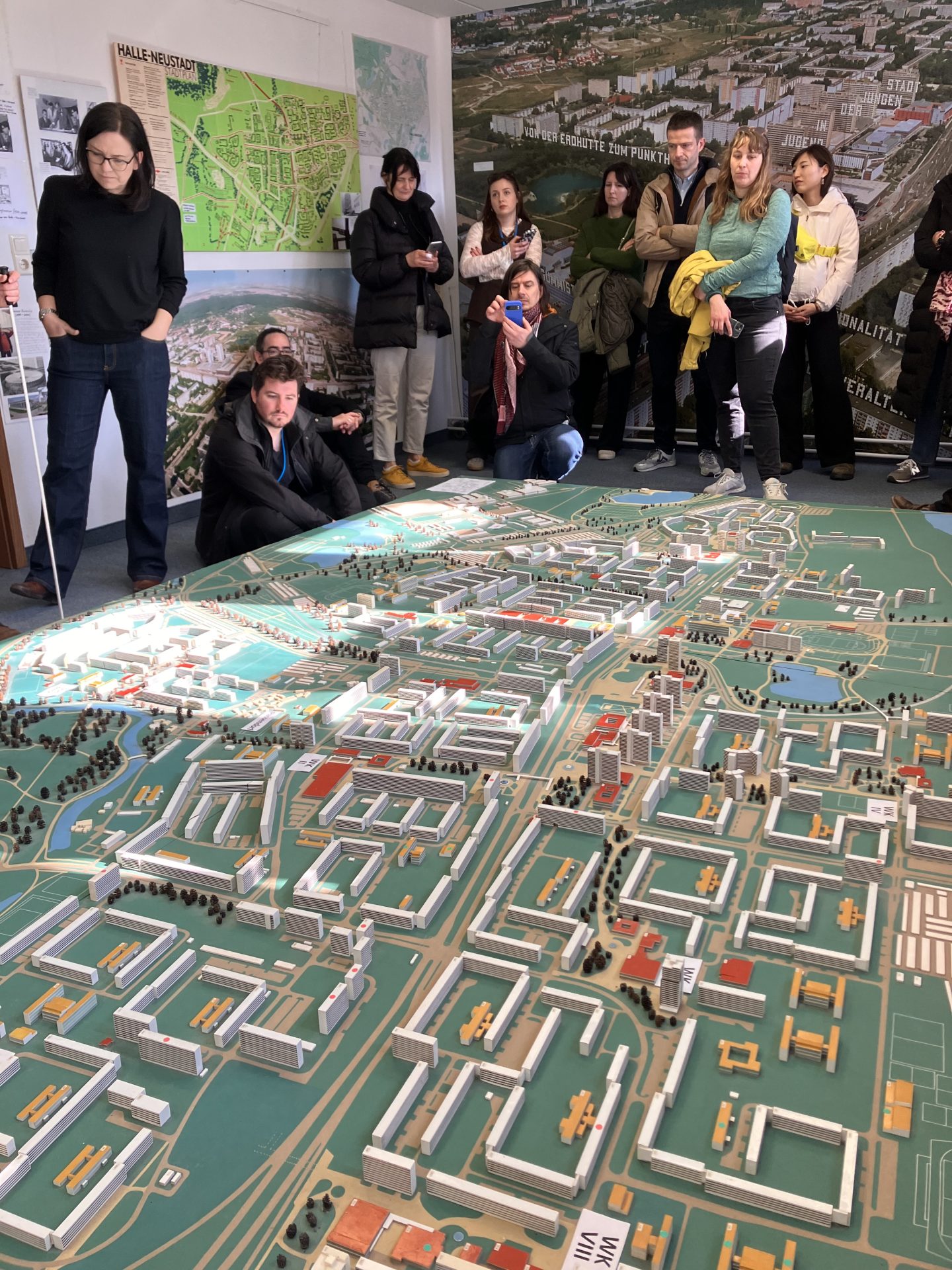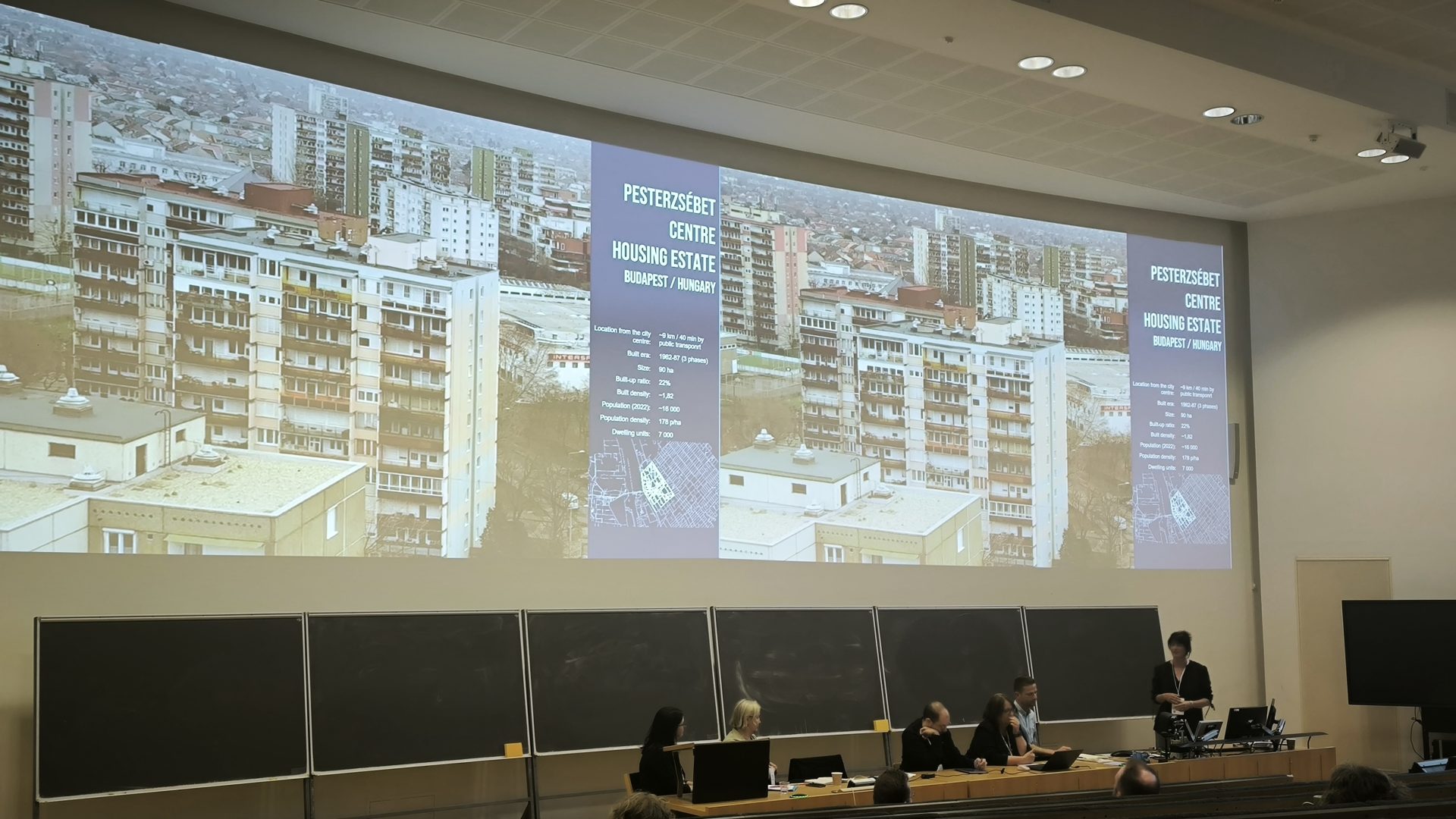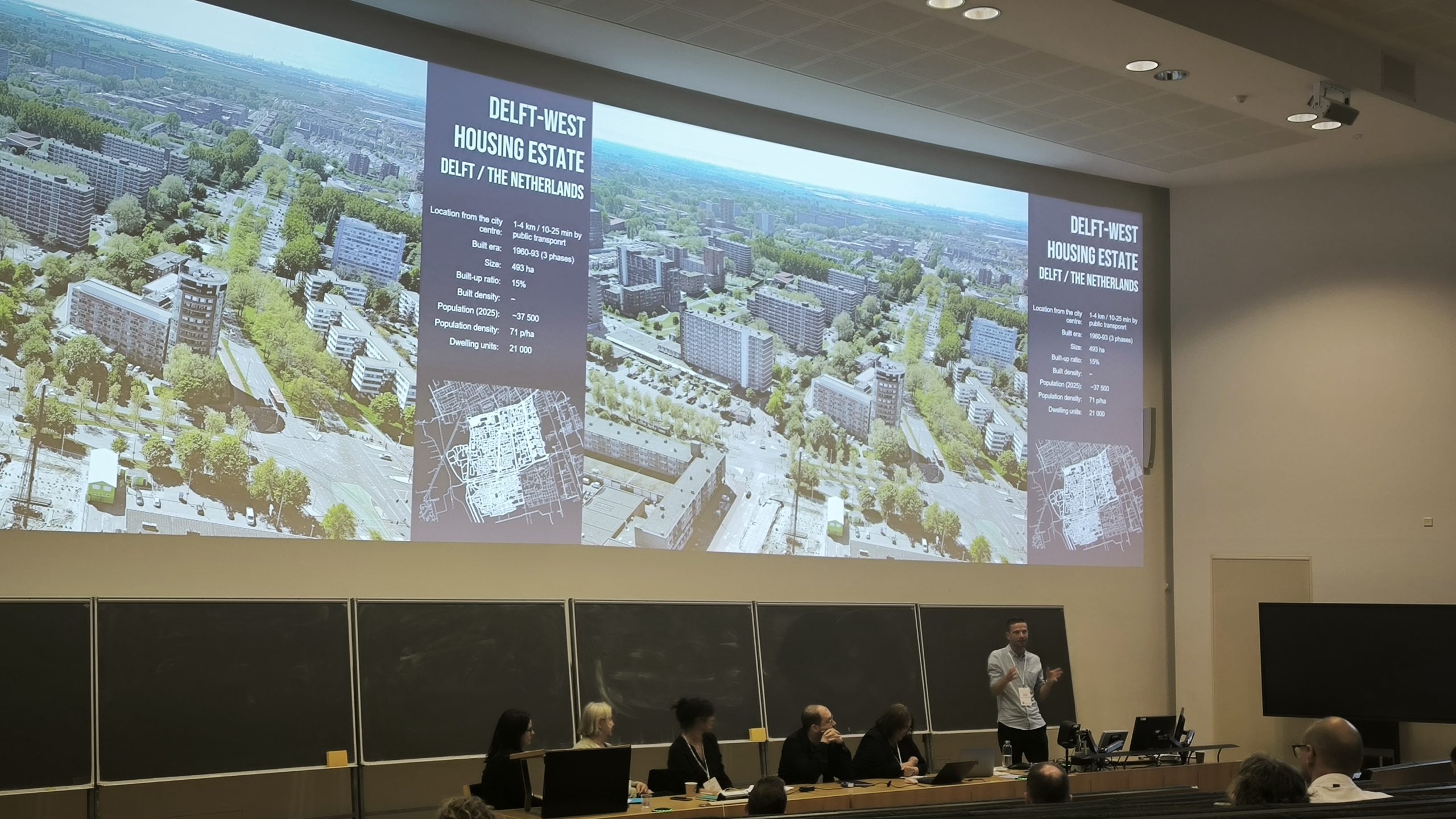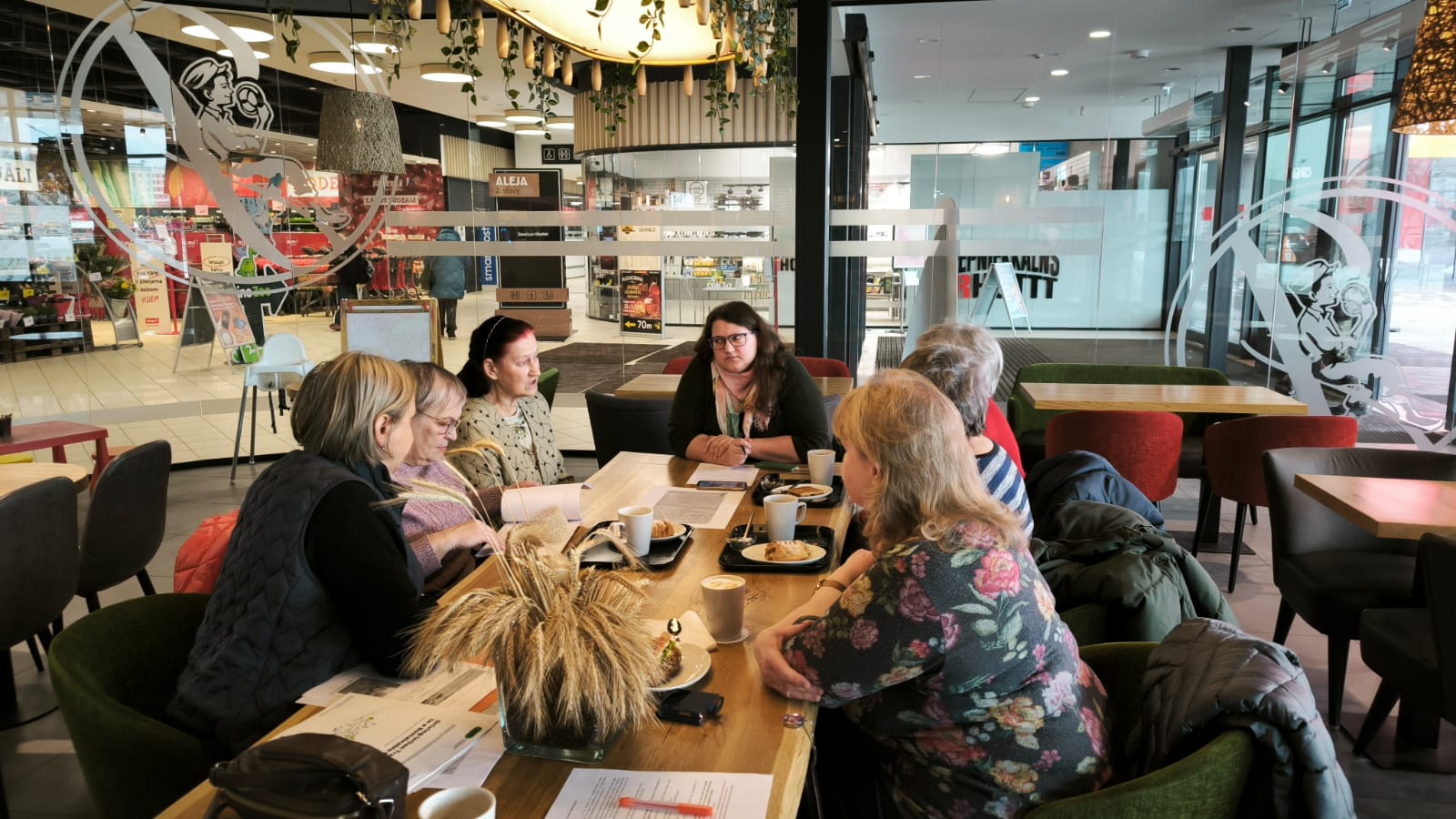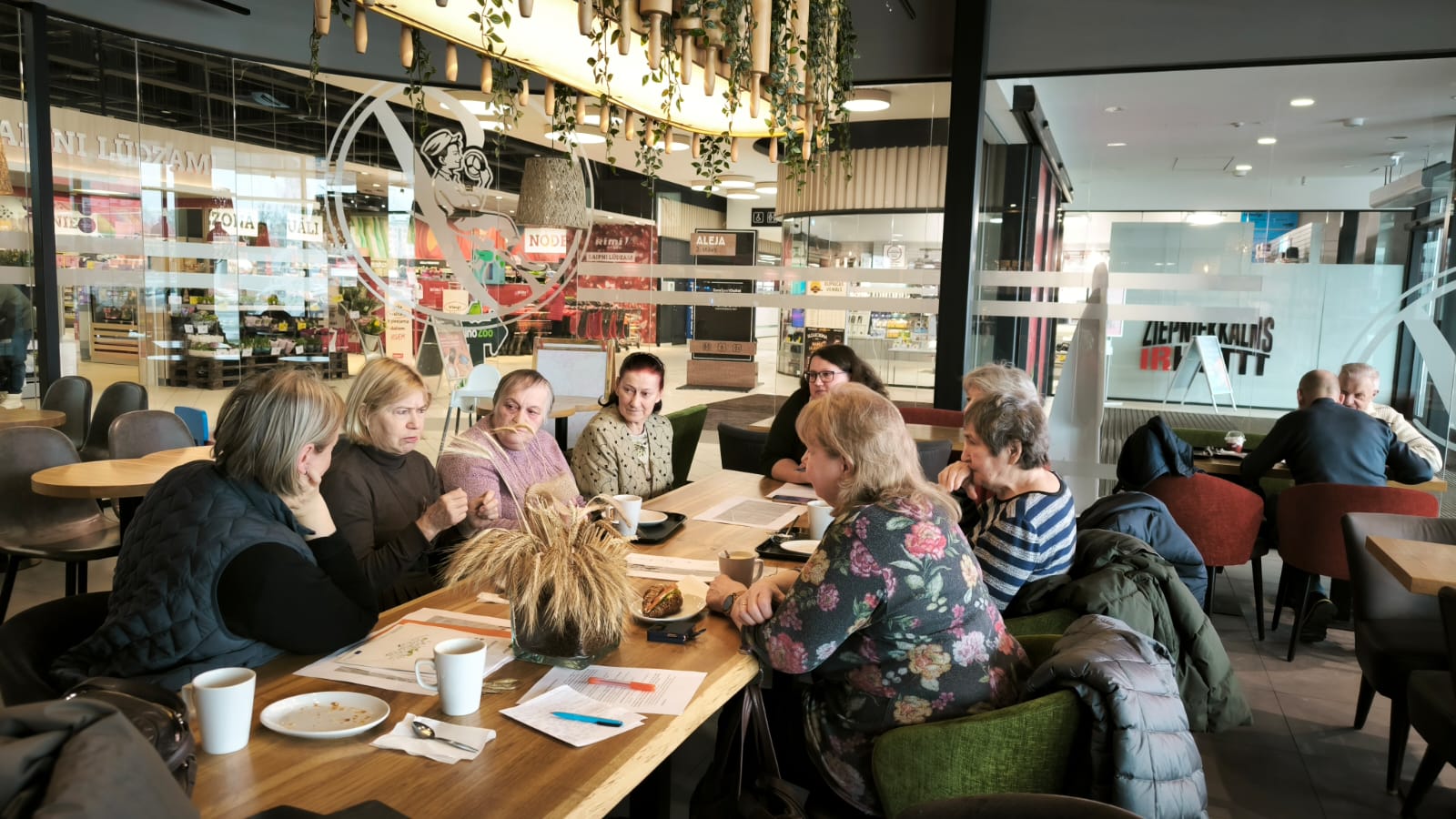
From March 4–6, the 15minESTATES partners met for the third Consortium Meeting. This year, we’re excited to be hosted by the City of Halle and our German partners Leibniz Institute of Ecological Urban and Regional Development (IOER).
As we enter the final year of the project, our main focus is bringing together the insights and conclusions from the data-gathering phase across all case study areas. Over these three days, our international teams will collaborate closely to shape universal pathways for creating 15-minute large housing estates — making neighborhoods more connected, accessible, and livable for everyone.
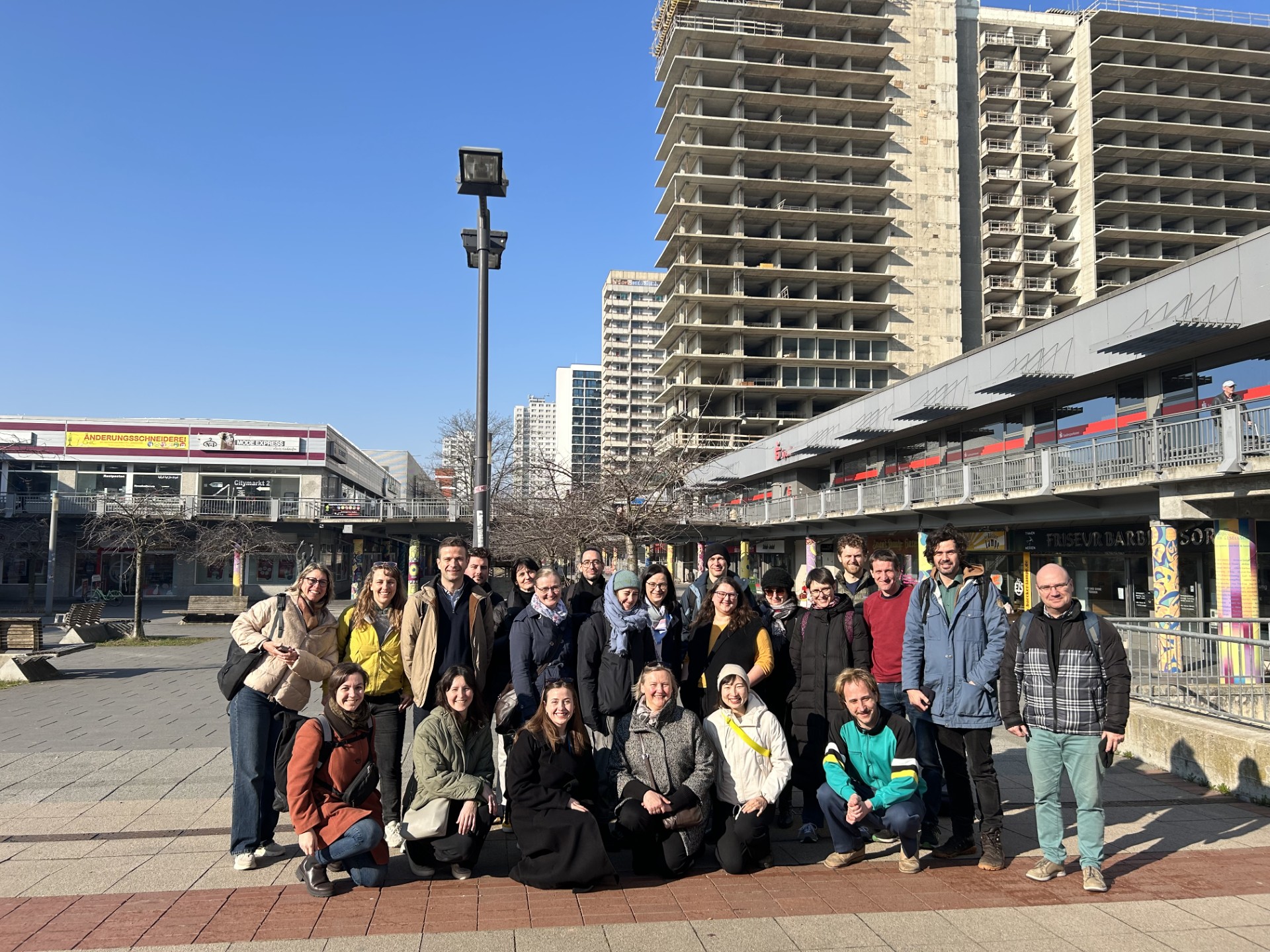
The consortium meeting in Halle focused on the expected results of the project and in-depth discussions on how to effectively transfer the information and knowledge gained during the project to decision-makers, urban planners, and a wider circle of professionals. Particular attention was given to identifying practical communication strategies and tools that would ensure long-term impact beyond the project’s duration. Both the project survey, which was conducted in five European cities – Halle, Delft, Riga, Sofia and Budapest – and many other project activities, such as focus group interviews, go-along interviews, and participatory observations, confirmed the great potential of residential areas to evolve into more sustainable, people-friendly environments.
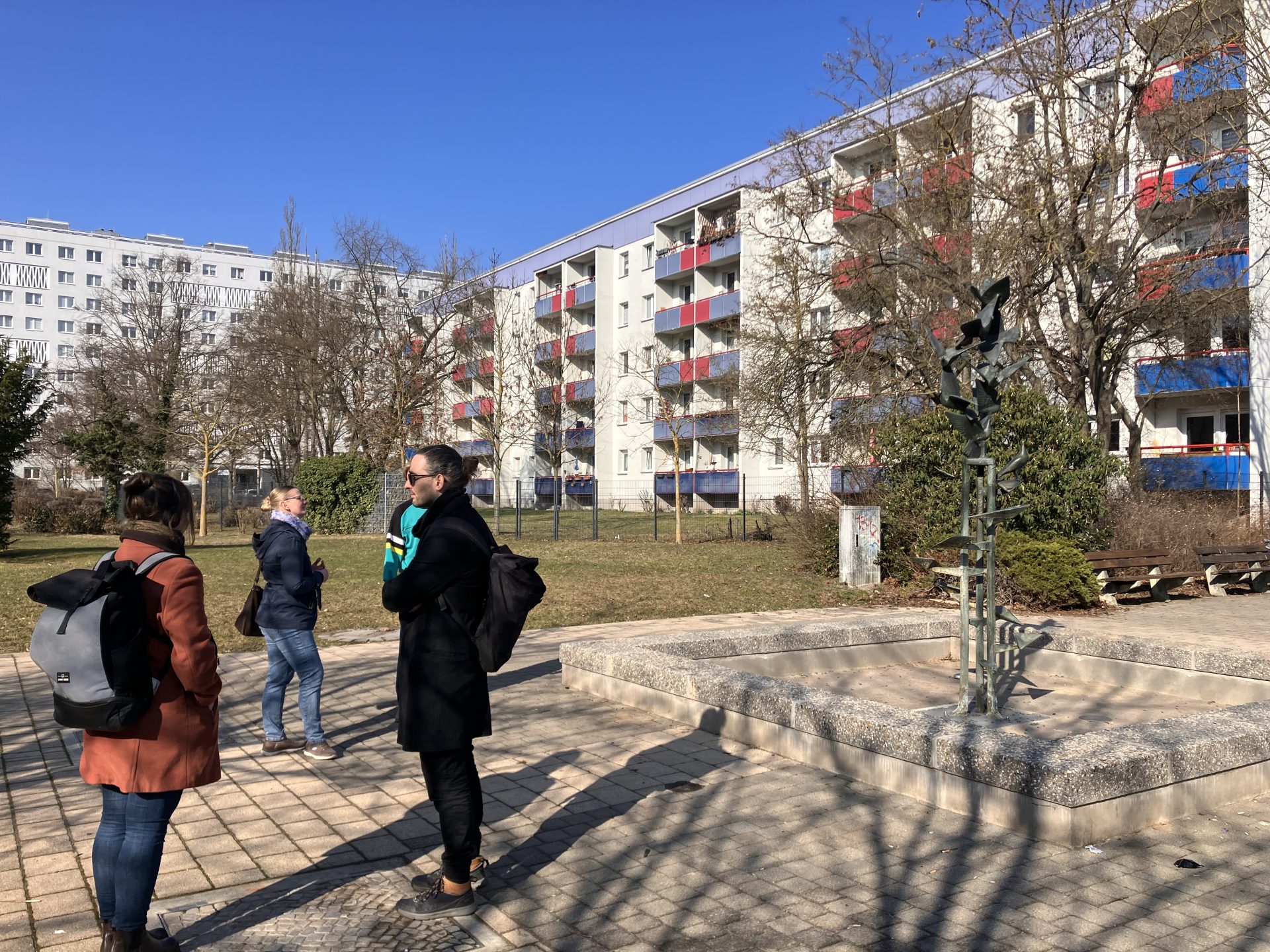
At the same time, the findings highlighted several persistent challenges. Both physical infrastructure constraints and residents’ established habits, alongside social, economic, and planning-related factors, continue to hinder the broader implementation of active mobility principles in large-scale residential areas. These insights provided a valuable basis for discussions among consortium partners about possible interventions and policy recommendations.
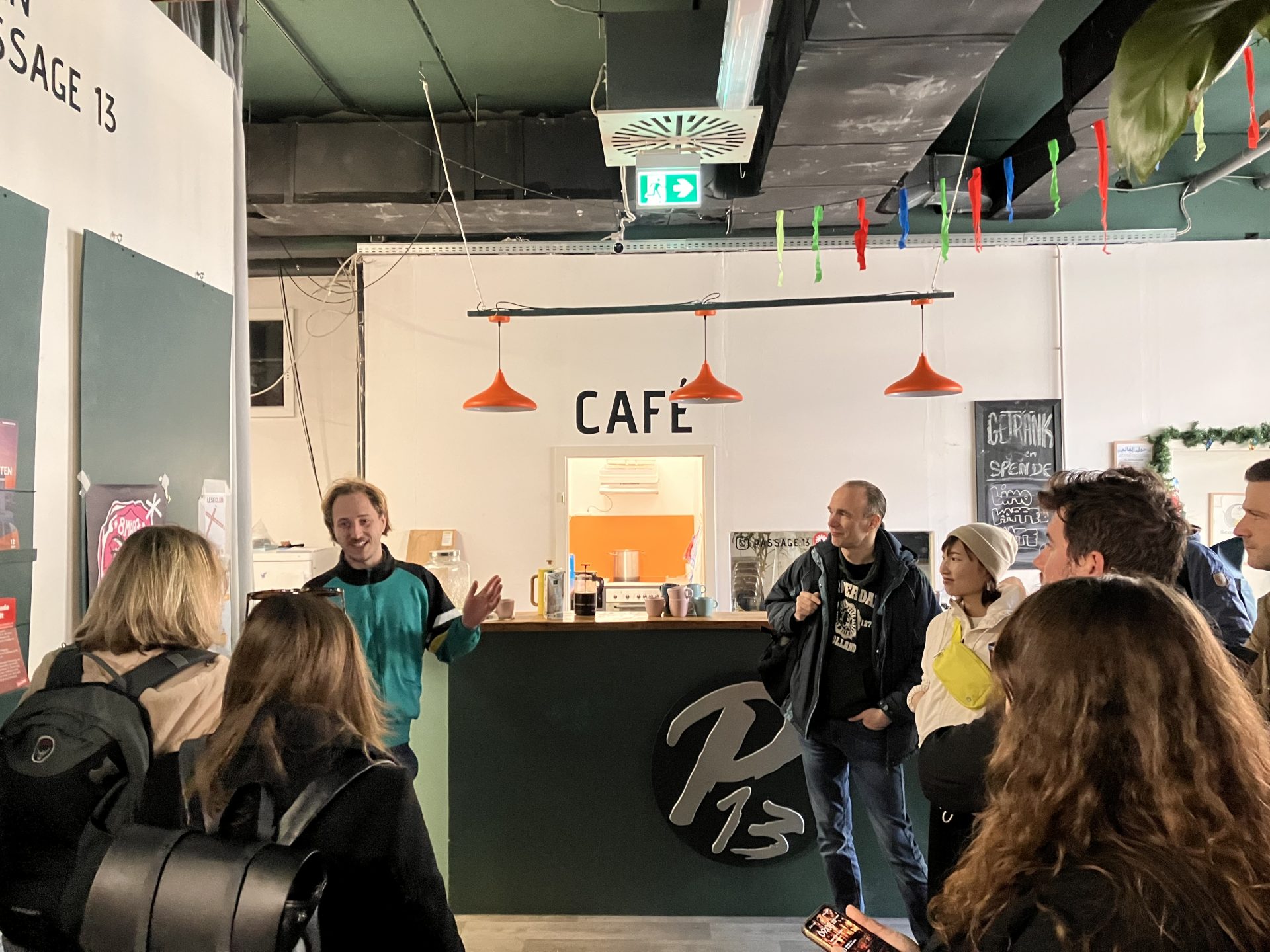
The meeting also addressed the third series of workshops planned across all case study cities, with a focus on delivering research feedback to diverse stakeholder groups, including local authorities, community organizations, and residents. Emphasis was placed on ensuring that this feedback is accessible, actionable, and tailored to the needs of each group. Additionally, getting acquainted with the work and intentions of the New Halle non-governmental organization – particularly its efforts in engaging residents and promoting active mobility approaches – sparked meaningful discussions on the role of various stakeholders. These exchanges underscored the importance of collaboration, co-creation, and shared responsibility in successfully implementing common sustainability goals at the neighborhood level.