Authors: Wilbert den Hoed and Thomas Verbeek, Department of Urbanism TU Delft
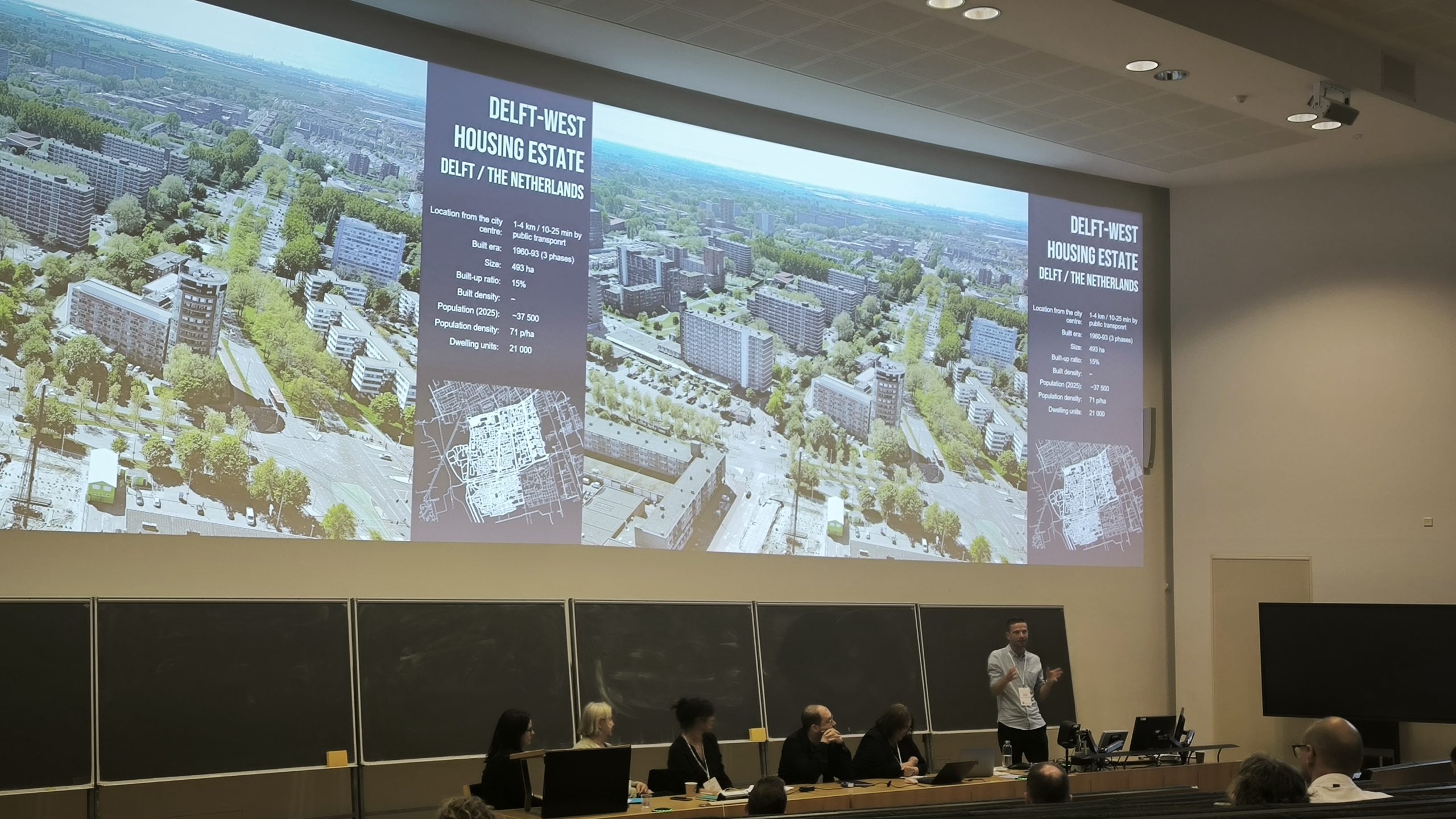
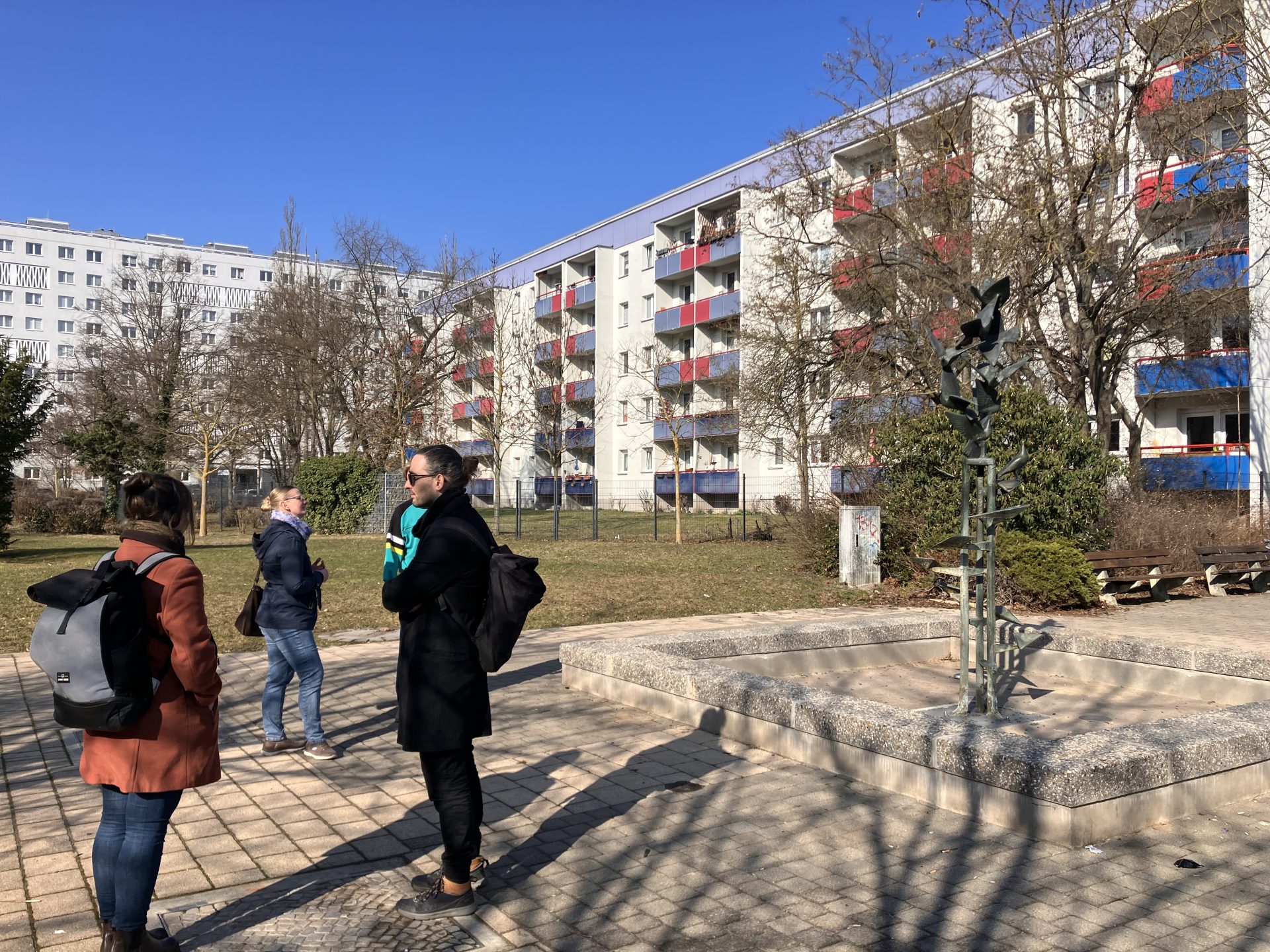
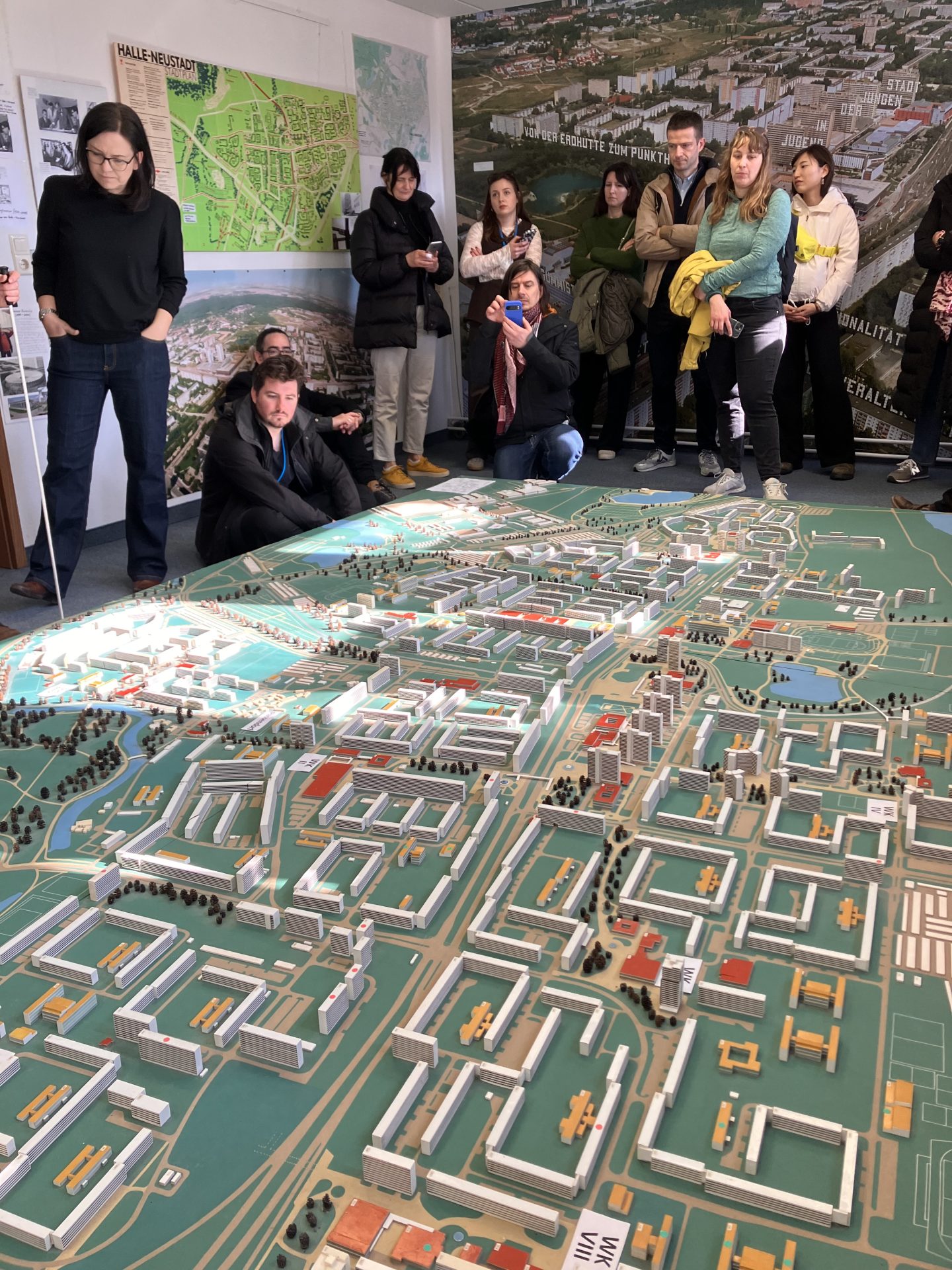
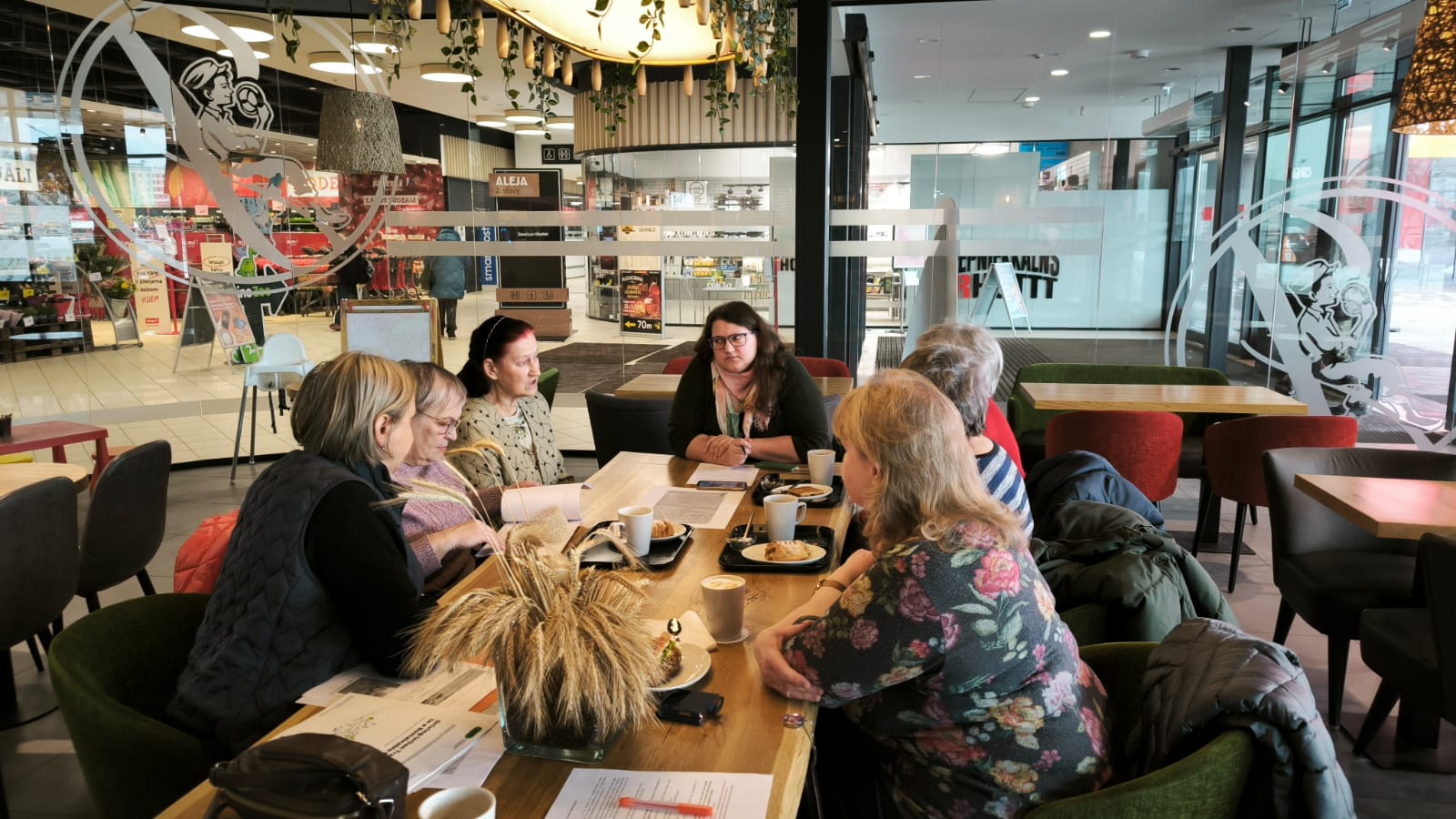
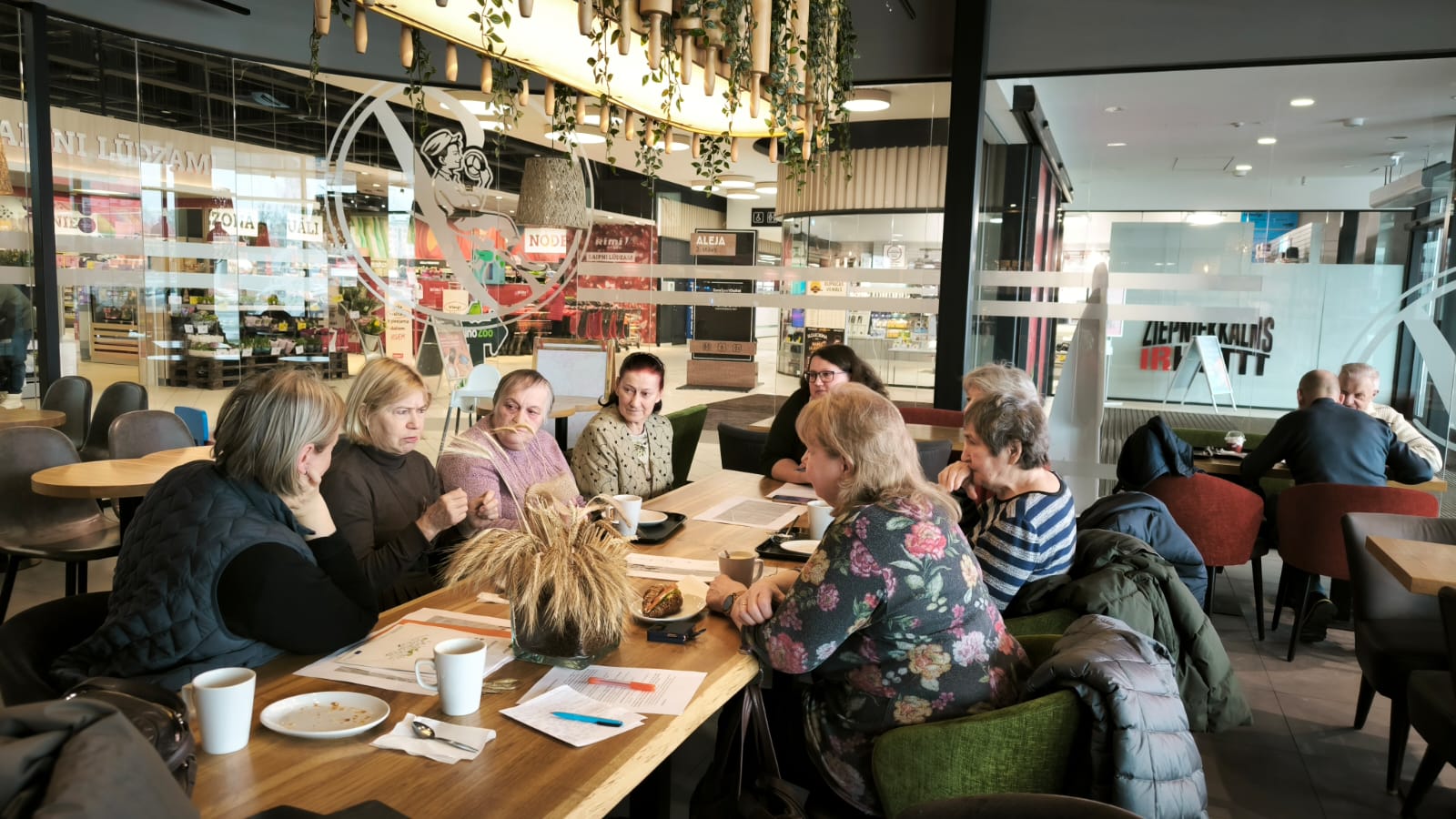
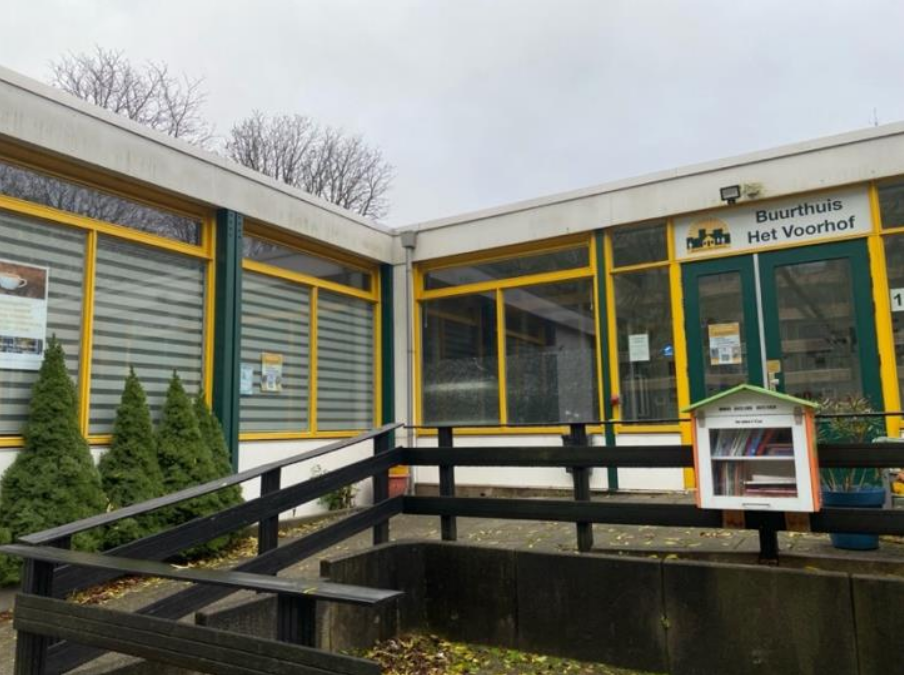
In November 2024, TU Delft organised three group meetings in the neighbourhoods of Delft-West involving policymakers and housing corporations, volunteers and professionals who work for and with local residents as well as TU Delft student and research projects.
The discussions had two common goals: to create local support and to set goals for the data collection of the 15minESTATES-project.
For each target group, the discussions focused on collecting information about local challenges around mobility and urban amenities, creating ideas about how this project can best contribute to tackling these challenges, and the role that the involved parties can and want to play herein. Below you will read the most important findings for each meeting.
The views of policymakers and housing associations
The attendees see the project as an opportunity to expose the important theme of improving sustainable mobility options. Besides the already planned renewal and physical interventions in Delft-West, such as new housing, the heat network, sewage, and improving safety and quality of life, the challenges in the field of mobility and accessibility sometimes remain underexposed.
To keep the neighbourhood liveable and safe, both policymakers and housing associations are aware that sustainable mobility (walking, cycling, public transport) should be promoted and that car use must be curtailed. To this end, they already take measures such as the construction of routes for cyclists and the stimulation of shared mobility. In addition, they see potential to improve the liveliness of the area, with more activity at plinth level (the ground floor of apartment buildings) and locally rooted amenities. At the same time, choices have to be made: not all places can be lively, some amenities are actually disappearing, and parking regulations make it difficult to limit the space for cars.
What TU Delft researchers know about mobility and inclusivity
The group of researchers and students, all active at the Faculty of Architecture and the Built Environment, talked about a variety of project topics such as creating places where young people feel at home and involving residents and communities in transition processes. Most of the projects took place in Delft-West, which is why we were able to immediately identify bottlenecks and locally applicable lessons such as:
- The feeling of insecurity can be an obstacle to walking as a transport option.
- The renewal of Delft Campus station has had few benefits for the districts of Delft-West.
- For specific groups such as teenage girls or youth, there are currently few or no amenities. Apart from school and home, they have few places to go to within the neighbourhood.
- Students and researchers can and should do more to make their work relevant in the city or neighbourhood and to involve residents in their ideas or solutions.
What neighbourhood actors want to see
The conversation with volunteers and professionals who work in the neighbourhood identified many bottlenecks for the use of public transport and bicycles. They came up with interesting ideas about how the research can be as relevant as possible for the neighbourhoods of Delft-West.
Firstly, infrastructure for pedestrians and cyclists is not always used as intended: designers and planners should take potential users into account better and arrange the space accordingly. Secondly, demographic developments should not be forgotten: large parts of Delft-West are ageing while in some places new buildings are being built and new residents are expected.
Finally, we discussed the wishes of residents, who do not always feel supported by the many changes in the neighbourhood. It must be clear how investments in the neighbourhood help them, that something is done with their ideas. Accessibility by bicycle and on foot is an important need, but so are bus and tram accessibility and new meeting places for social and economic activities.
Willingness and next steps
The momentum for change in Delft-West is high, partly since the WijWest Programme (2023-2043) has gained traction. However, the role of the mobility domain is not always clear in current regeneration plans. Residents also do not always feel heard, and there are doubts whether policy and research will lead to real change. Effective communication also plays a role in this. On the positive side, there is willingness to achieve a more accessible and sustainable living environment. Professional and policy networks have been formed and increasingly involve active local residents and volunteers. For certain target groups, ranging from young to old, the research project can really make a difference, as possible mobility and accessibility improvements are very visible in the neighbourhood. In addition, these topics are very relevant for TU Delft students and researchers, and they are interested in applying their work in the city. We aim to include all these parties in the next steps of the 15minESTATES project:
- Closure of neighbourhood survey in January and analysis of the data
- Starting individual conversations with residents by means of walking interviews
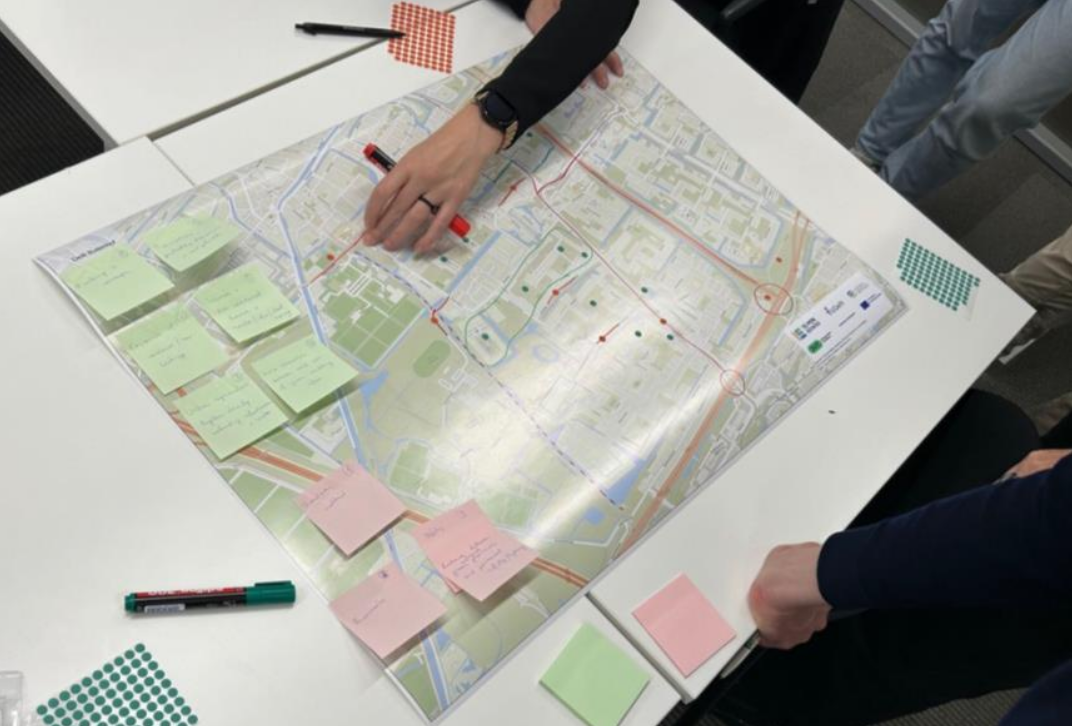
- Analysis of the map assignments during the workshops in November 2024
- Organising a second series of workshops in 2025 to discuss the intermediate results
Acknowledgement
We thank all participants in the workshops in Delft-West for their time and their insights. Their involvement is essential to work towards a more sustainable and just neighbourhood.